7 Best Wenoka Dive Knife Sheaths for Reef Divers (2026)
Compare the best wenoka dive knife sheath options for reef divers. See how fit, retention, leg straps and material differ, then pick the right sheath for you.
 By Miles Sinclair
Updated November 20, 2026
 By Miles Sinclair
Updated November 2026
Finding a good wenoka dive knife sheath comes down to three things: how well it holds the knife in rough water, how comfortable the leg straps are on a long dive, and whether the sheath can be reached quickly with gloved hands. This guide compares seven sheath-and-knife combinations sold on Amazon, based on product listings, brand reputation and common owner feedback. Nothing here comes from our own testing.
Our top picks at a glance
- 1TOP CHOICEBest overallpunada Dive Knife – Scuba Diving Knife with holster, 2 Types Sheath 2View on Amazon
- 2
 TOP CHOICEBest for titanium constructionTI GEEK Titanium Survival Scuba Diving Knife with Sheath & Leg StrapsView on Amazon
- 3
 TOP CHOICEBest for stainless steel durabilityDiximus Dive Knife – Scuba Diving Knife with Sheath and Leg Strap – ThView on Amazon
- 4
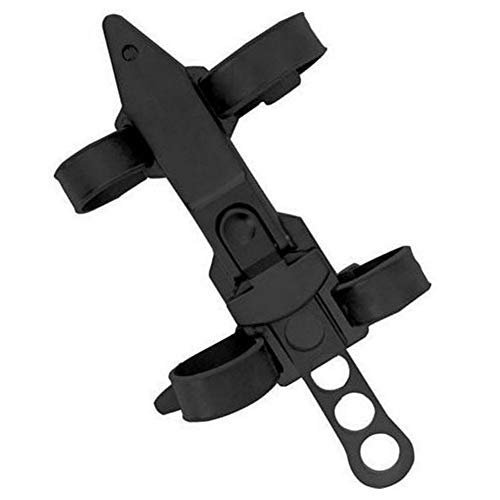 Best for a razor edgeQiorange Black Dive Knife ll, All Stainless with Line Cutter, Razor EdView on Amazon
- 5
 Best for brand-matched fitScubaPro Mako Knife SheathView on Amazon
- 6
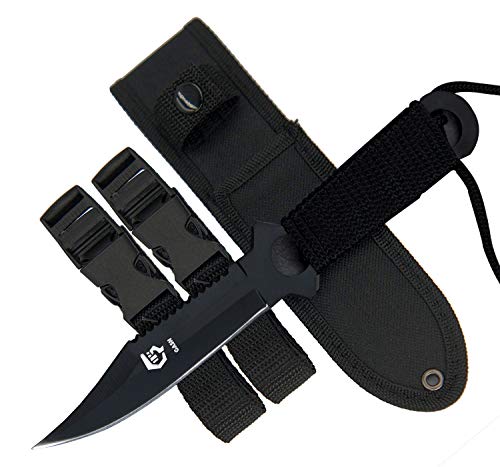 Best for lightweight carryGASHER Scuba Diving Knife with Leg Straps & Sheath, Razor Sharp – LighView on Amazon
- 7
 Best for quick releaseKoah Dive Knife 4.5" with Magnetic Sheath for Spearfishing, Diving, ScView on Amazon
Our Top Picks
| Product | Best for | Key feature |
|---|---|---|
| punada Dive Knife | All-round use | Two sheath types |
| TI GEEK Titanium Dive Knife | Corrosion resistance | Titanium blade, line cutter |
| Diximus Dive Knife | Durable everyday carry | Stainless fixed blade |
| Qiorange Black Dive Knife II | Sharp cutting edge | Razor edge, line cutter |
| ScubaPro Mako Knife Sheath | Matching a dive kit | Brand-specific fit |
| GASHER Scuba Diving Knife | Light, low-profile carry | Lightweight design |
| Koah Dive Knife 4.5″ | Fast one-handed access | Magnetic sheath closure |
punada Dive Knife – Scuba Diving Knife with holster, 2 Types Sheath 2 Pairs Thigh Leg Straps, Black Premium Divers Knives Shears for Outdoor Spearfishing, Snorkeling
punada Dive Knife – Scuba Diving Knife with holster, 2 Types Sheath 2 Pairs Thigh Leg Straps, Black Premium Divers Knives Shears for Outdoor Spearfishing, Snorkeling
Best for: All-round use with a choice of carry style
This set suits divers who want to try both a holster and a leg-mounted sheath without buying separately. It fits recreational reef dives and spearfishing trips alike.
Pros
- Two sheath types and two pairs of leg straps included
- Shears-style tool adds utility for cutting line
Cons
- Sheath retention can loosen if straps are not snugged after each dive
TI GEEK Titanium Survival Scuba Diving Knife with Sheath & Leg Straps | Lightweight Dive Knife Equipment, Fixed Blade Divers Knives for Diving Spearfishing Snorkeling, Serrated Edge & Line Cutter
TI GEEK Titanium Survival Scuba Diving Knife with Sheath & Leg Straps | Lightweight Dive Knife Equipment, Fixed Blade Divers Knives for Diving Spearfishing Snorkeling, Serrated Edge & Line Cutter
Best for: Corrosion resistance in saltwater
Titanium is a common choice for divers who rinse gear inconsistently or dive frequently in salt. The fixed blade keeps the sheath simple, with fewer moving parts to clean.
Pros
- Titanium construction resists saltwater corrosion well
- Serrated edge and line cutter in one knife
Cons
- Titanium blades can be harder to resharpen at home
Diximus Dive Knife – Scuba Diving Knife with Sheath and Leg Strap – Thigh Knife – Stainless Steel Fixed Blade Knife – Hunting Knives – Survival and Camping Gear
Diximus Dive Knife – Scuba Diving Knife with Sheath and Leg Strap – Thigh Knife – Stainless Steel Fixed Blade Knife – Hunting Knives – Survival and Camping Gear
Best for: Durable everyday carry
A stainless fixed blade with a leg strap sheath suits divers who want a sturdy tool that also works for camping or shoreline tasks.
Pros
- Stainless steel blade is widely used for marine tools
- Sheath and leg strap included
Cons
- Stainless can show spotting if not rinsed and dried after salt exposure
Qiorange Black Dive Knife ll, All Stainless with Line Cutter, Razor Edge and Leg Strap Sheath,Black Tactical Treasure II Dive Knife
Qiorange Black Dive Knife ll, All Stainless with Line Cutter, Razor Edge and Leg Strap Sheath,Black Tactical Treasure II Dive Knife
Best for: A sharp cutting edge for line and kelp
Divers who often cut fishing line or tangled kelp may prefer the razor edge and built-in line cutter on this all-stainless model.
Pros
- Razor edge cuts line and mesh efficiently
- All-stainless build with a dedicated line cutter
Cons
- A thin razor edge needs careful handling and frequent honing
ScubaPro Mako Knife Sheath
ScubaPro Mako Knife Sheath
Best for: Matching an existing dive kit
Divers already using ScubaPro gear often choose this sheath for a consistent look and fit with other harness components.
Pros
- Designed by a major dive equipment brand
- Fits a range of knife sizes sold for the same system
Cons
- Sheath alone does not include a knife, so a compatible blade is needed
Buying Guide
Sheath Retention and Security
A sheath has to hold the knife firmly while you swim, kick, and move through surge or kelp. Look for a retention method that locks the blade in place, such as a snap, a friction fit with a secure lip, or a magnetic closure, and test that the knife can be drawn with one hand without fumbling. A sheath that lets the knife slip out in current can cost you the tool when you need it most.
Leg Strap Comfort and Adjustability
Most divers wear the sheath on the thigh or calf, so the straps matter as much as the holder. Check whether the straps are wide enough to spread pressure, whether they adjust to fit over a wetsuit, and whether the buckles are corrosion-resistant. Sheaths that come with two straps or a spare set give you more flexibility if you dive in different suits or switch between leg and arm positions.
Blade Material and Corrosion Resistance
Saltwater is hard on steel, so the blade material affects how well the knife holds up over time. Stainless steel is the common choice for dive knives and offers good corrosion resistance with reasonable sharpening, while titanium-based options are lighter and resist corrosion even better but can cost more. Rinse your knife in fresh water after every dive and dry it before storing it in the sheath to extend its life.
Accessibility With Gloves
In cold water or when you are wearing thick gloves, a small or awkwardly placed release can be hard to operate. Consider how easily you can reach the handle, whether the sheath opening is wide enough for a gloved hand, and whether the draw motion feels natural. Trying the setup on land with your dive gloves on is a simple way to confirm it will work underwater.
Extra Features Like Line Cutters and Serrations
Many dive knives include a line cutter, a serrated edge, or a blunt tip for prying and tapping. These features can be useful for cutting fishing line, netting, or tangled gear, but they add complexity to sharpening and may not matter if you mainly need a straight blade. Decide which tasks you expect to do most often and choose a blade shape that suits those jobs.
FAQ
Is a leg-mounted sheath better than an arm-mounted one for diving?
Leg-mounted sheaths are the most common choice because they keep the knife out of the way of your arms and hands while swimming. Arm-mounted sheaths can be easier to reach but may snag on gear or kelp. Many divers prefer the leg position for everyday reef diving.
How often should I rinse and dry my dive knife?
Rinse the knife in fresh water after every saltwater dive, including the sheath and straps if possible. Dry both thoroughly before storing them, since trapped moisture can encourage corrosion and wear. A light coat of protectant on the blade can help in humid storage conditions.
Do I need a line cutter on my dive knife?
A line cutter is helpful if you often deal with fishing line, mesh, or tangled rope underwater. Divers who mainly use the knife as a backup tool may not need one. Choose based on how you plan to use the knife.
Can I sharpen a dive knife myself?
Yes, most dive knives can be sharpened at home with a basic stone or guided sharpener. Work carefully and keep the edge angle consistent to avoid damaging the blade. If the knife has serrations, a specialized tool may be needed to maintain them.
What should I check before buying a sheath and knife combination?
Confirm that the sheath fits the blade size and shape, that the straps suit your wetsuit thickness, and that the release can be operated with gloves. Read recent owner feedback on retention and corrosion resistance. Make sure the set includes the accessories you expect, such as extra straps.
Are magnetic sheaths reliable for reef diving?
Magnetic sheaths can hold a knife securely and release it quickly, which many divers appreciate. Their strength varies by design, so check the listing and owner comments for how well the magnet holds in moving water. Pair the sheath with a secure strap system to reduce the chance of loss.
Conclusion
If you want a versatile setup with multiple strap options and a straightforward design, a sheath kit with two strap types and a stainless blade suits most recreational reef divers. Divers who put a premium on low weight and corrosion resistance may prefer a titanium-based option, while those who need a line cutter for net or line work should look at models that include one.
For divers who dive in cold water or wear thick gloves, prioritize a sheath with an easy-reach release and a wide strap system, and test the setup on land before your first trip. Choose the combination that matches your main tasks, and rinse and dry your gear after every dive to keep it working well for years.
Related reading
- Wenoka Dive Knife Parts: A Practical Guide to Finding and Replacing Them
- Vintage Wenoka Dive Knife vs Modern Dive Knife (2026): Which Should You Choose?
- Fixed-Blade vs Folding Dive Knife and Sheath: Which Should You Choose?
- Why Won't My Dive Knife With Leg Strap Stay Put? 6 Causes and Fixes
About Miles Sinclair
Miles Sinclair is part of our editorial team and reviews and edits our scuba diving gear guides, checking product details against manufacturer specifications and owner feedback.
About the author
Miles Sinclair writes reviews and buying guides for Scuba Lanai.