6 Best Wenoka Blackie Collins Dive Knife Options for Reef Divers (2026)
Comparing six wenoka blackie collins dive knife alternatives for reef divers. See blade, sheath and fit notes before you choose a diver-ready knife.
 By Miles Sinclair
Updated November 24, 2026
 By Miles Sinclair
Updated November 2026
Shoppers searching for a wenoka blackie collins dive knife usually want one thing: a reliable fixed-blade knife that stays on the leg, cuts line and kelp, and holds an edge through salt exposure. This guide covers six stainless and titanium options that fit that brief. Our selection weighs blade material and edge geometry, sheath and leg-strap design, overall length, corrosion resistance and the feedback owners commonly report after saltwater use. Where a specification is not clearly stated in the listing, we left it out rather than guess.
Our top picks at a glance
- 1TOP CHOICEBest overallpunada Dive Knife – Scuba Diving Knife with holster, 2 Types Sheath 2View on Amazon
- 2
 TOP CHOICEBest for large hands and heavy useSaekodive Edge Series Dive Knife – Scuba Diving Knife with Knife HolstView on Amazon
- 3
 TOP CHOICEBest for non-stick, easy-clean bladesDive Knife – 8.3" Scuba Knife with Sheath and Leg Strap – Fixed BladeView on Amazon
- 4
 Best for spearfishing setupsSwift Shank – Stainless Steel Spearfishing KnifeView on Amazon
- 5
 Best for lightweight titanium carryTI GEEK Titanium Survival Scuba Diving Knife with Sheath & Leg StrapsView on Amazon
- 6
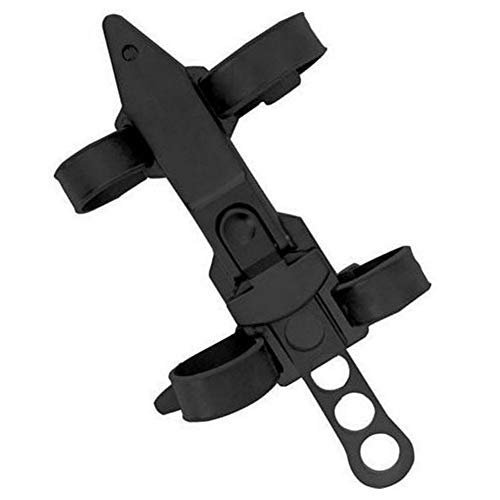 Best budget pickQiorange Black Dive Knife ll, All Stainless with Line Cutter, Razor EdView on Amazon
Our Top Picks
Quick Comparison
| Product | Best for | Key feature |
|---|---|---|
| punada Dive Knife | Overall all-round use | Two sheath types and two pairs of thigh straps |
| Saekodive Edge Series Dive Knife (Large) | Large hands and heavy use | Large-format blade with holster, sheath and leg strap |
| Dive Knife 8.3″ Scuba Knife | Easy-clean blades | Stainless blade with non-stick coating |
| Swift Shank Stainless Steel Spearfishing Knife | Spearfishing setups | Stainless construction aimed at spear-gun use |
| TI GEEK Titanium Survival Scuba Diving Knife | Lightweight carry | Titanium-style build with serrated edge and line cutter |
| Qiorange Black Dive Knife II | Budget buyers | All-stainless build with line cutter and razor edge |
punada Dive Knife – Scuba Diving Knife with holster, 2 Types Sheath 2 Pairs Thigh Leg Straps, Black Premium Divers Knives Shears for Outdoor Spearfishing, Snorkeling
punada Dive Knife – Scuba Diving Knife with holster, 2 Types Sheath 2 Pairs Thigh Leg Straps, Black Premium Divers Knives Shears for Outdoor Spearfishing, Snorkeling
Best for: Overall all-round use
This is a good fit for divers who want flexibility. The bundle of two sheath styles and two pairs of thigh straps means you can move the knife between a drysuit, a wetsuit or a spearfishing rig without buying extra hardware.
Key specs
- Black finish
- Includes holster
- Two sheath types and two pairs of thigh leg straps
Pros
- Versatile sheath and strap options
- Works for snorkeling and spearfishing alike
- Simple, low-profile black finish
Cons
- Spare strap set adds bulk on a slim wetsuit
- Sheath fit depends on how you wear the knife
Bottom line: A strong first choice for divers who want a complete kit that can be worn more than one way.
View on AmazonSaekodive Edge Series Dive Knife – Scuba Diving Knife with Knife Holster, Sheath and Leg Strap – Scuba Knife, Saltwater Knife, Spearfishing Knife (Large)
Saekodive Edge Series Dive Knife – Scuba Diving Knife with Knife Holster, Sheath and Leg Strap – Scuba Knife, Saltwater Knife, Spearfishing Knife (Large)
Best for: Large hands and heavy use
Divers with larger hands, or anyone who wants a longer blade for cutting heavier line and kelp, should look at the large version. It is a better match for a thicker glove or a drysuit with bulky thigh pockets.
Key specs
- Large blade format (per listing)
- Includes knife holster, sheath and leg strap
- Marketed for saltwater and spearfishing use
Pros
- Larger grip suits gloved hands
- Complete holster and strap package
- Designed with saltwater use in mind
Cons
- Larger size can feel awkward on a slim leg
- Heavier than compact alternatives
Bottom line: Best for divers who want a bigger knife and plan to wear it over gloves or a drysuit.
View on AmazonDive Knife – 8.3″ Scuba Knife with Sheath and Leg Strap – Fixed Blade Diving Knife Made of Exceptional Stainless Steel with Non-Stick Coating – Scuba Diving Gear for Spearfishing and Survival – Black
Dive Knife – 8.3" Scuba Knife with Sheath and Leg Strap – Fixed Blade Diving Knife Made of Exceptional Stainless Steel with Non-Stick Coating – Scuba Diving Gear for Spearfishing and Survival – Black
Best for: Non-stick, easy-clean blades
If you rinse your gear by hand and want less residue sticking to the blade after a dive, the non-stick coating is the main reason to consider this model. It suits divers who do a lot of shore entries and rinse equipment after every session.
Key specs
- Overall length listed at 8.3 inches
- Stainless steel blade with non-stick coating
- Includes sheath and leg strap
Pros
- Coating helps reduce residue buildup
- Clear overall length stated in the listing
- Complete sheath and strap set
Cons
- Coatings can wear with abrasive sharpening
- Owners report the sheath is best checked for fit before the first dive
Bottom line: A sensible pick for divers who prioritize easy rinsing and a mid-size stainless blade.
View on AmazonSwift Shank – Stainless Steel Spearfishing Knife
Swift Shank – Stainless Steel Spearfishing Knife
Best for: Spearfishing setups
This knife is aimed at spearfishers who need a dedicated blade for clearing line from a speargun or cutting fish free. It is less of a general-purpose dive knife and more of a specialized tool.
Key specs
- Stainless steel construction (per listing)
- Marketed as a spearfishing knife
Pros
- Clearly targeted at spearfishing tasks
- Stainless build resists routine saltwater exposure
- Straightforward, no-frills design
Cons
- Not positioned as a general reef knife
- Sheath and strap details are less prominent in the listing
Bottom line: Choose this if spearfishing is your main use and you want a purpose-built blade.
View on AmazonTI GEEK Titanium Survival Scuba Diving Knife with Sheath & Leg Straps | Lightweight Dive Knife Equipment, Fixed Blade Divers Knives for Diving Spearfishing Snorkeling, Serrated Edge & Line Cutter
TI GEEK Titanium Survival Scuba Diving Knife with Sheath & Leg Straps | Lightweight Dive Knife Equipment, Fixed Blade Divers Knives for Diving Spearfishing Snorkeling, Serrated Edge & Line Cutter
Best for: Lightweight carry
Titanium-style blades weigh less than comparable steel knives, which matters on a long boat day or when you carry a knife on a leg for hours. Divers who want a serrated section and a line cutter in one tool should look here.
Key specs
- Titanium-style fixed blade (per listing)
- Serrated edge and line cutter
- Includes sheath and leg straps
Pros
- Lighter than most stainless options
- Serrated edge helps with cord and kelp
- Line cutter adds a second function
Cons
- Titanium-style finish may scratch more easily
- Serration needs separate care to keep clean
Bottom line: A good match for divers who want the lightest carry and a multi-purpose edge.
View on AmazonQiorange Black Dive Knife ll, All Stainless with Line Cutter, Razor Edge and Leg Strap Sheath,Black Tactical Treasure II Dive Knife
Qiorange Black Dive Knife ll, All Stainless with Line Cutter, Razor Edge and Leg Strap Sheath,Black Tactical Treasure II Dive Knife
Best for: Budget buyers
Shoppers who want a stainless fixed blade with a line cutter and a leg-strap sheath without paying for premium materials will find this model covers the basics. It is a practical starting point for recreational divers.
Key specs
- All-stainless construction (per listing)
- Razor edge and integrated line cutter
- Includes leg strap sheath
Pros
- Simple, well-understood stainless build
- Line cutter included
- Good value for occasional divers
Cons
- Heavier than the titanium-style option
- Razor edge needs regular maintenance
Bottom line: A reasonable choice for recreational divers who want the essentials without a premium price tag.
View on AmazonBuying Guide
Blade material and corrosion resistance
Most dive knives use stainless steel, and some use titanium or titanium-style finishes. Stainless is familiar and easy to sharpen. Titanium is lighter and highly corrosion resistant. Rinse any blade in fresh water after each dive, dry it, and check the pivot or sheath for grit. Owners frequently report that salt left on a blade causes pitting faster than the material itself wears.
Good picks for this: TI GEEK Titanium Survival Scuba Diving Knife, Qiorange Black Dive Knife II
Edge type: serrated, plain, or line cutter
A plain edge is easier to sharpen and works well for general cutting. Serrations bite through cord and kelp stems. A line cutter is a notch near the guard that cuts monofilament or braided line without exposing the main edge. Many divers keep one plain edge for general use and rely on the line cutter for entanglements.
Good picks for this: Qiorange Black Dive Knife II, TI GEEK Titanium Survival Scuba Diving Knife
Overall length and blade length
Blade length determines reach and how much room you have for cutting. Overall length includes the handle. A listing that states 8.3 inches overall gives you a clear sizing reference. Measure your thigh or calf before buying, and remember that a longer knife will sit lower and may interfere with fins or a wetsuit cuff.
Good picks for this: Dive Knife 8.3″ Scuba Knife, Saekodive Edge Series Dive Knife (Large)
Sheath and leg strap fit
The sheath is where most fit problems show up. Look for a sheath that holds the knife firmly at rest and releases it with a single pull. Check whether the sheath is designed for a leg strap or a belt. Owners often report that a loose strap lets the knife rotate on the leg. Test the fit on dry land while wearing your exposure suit if possible. Consult a dive shop instructor if you are unsure how a knife should sit for your body size.
Good picks for this: punada Dive Knife, Saekodive Edge Series Dive Knife (Large)
Use case: reef, spearfishing, or survival
A reef diver usually needs a knife for line, kelp and occasional entanglements. A spearfisher needs a tool that handles fish and speargun lines. A survival-oriented diver wants a sturdy blade with a serrated edge. Match the knife to your most frequent task, not your rarest one.
Good picks for this: Swift Shank Stainless Steel Spearfishing Knife, punada Dive Knife
Durability and sharpening
Stainless blades sharpen readily with a diamond or ceramic stone. Titanium-style blades can be harder to sharpen at home and often need professional service. Non-stick coatings should be cleaned gently, since abrasive pads can wear them. A knife you can maintain yourself is usually more useful over years than one you rarely sharpen.
Good picks for this: Dive Knife 8.3″ Scuba Knife, Qiorange Black Dive Knife II
Care and storage after diving
Rinse the knife and sheath in fresh water, dry both completely, and store the knife out of the sheath to let air circulate. Inspect the strap for wear every few dives. Keep the knife away from direct sunlight when drying, since heat can degrade some straps and coatings over time.
Good picks for this: punada Dive Knife, TI GEEK Titanium Survival Scuba Diving Knife
FAQ
What should I look for in a wenoka blackie collins dive knife alternative?
Focus on blade material, edge type, overall length, and a sheath that holds firmly. A line cutter and a corrosion-resistant finish are useful for most reef divers.
Is titanium better than stainless steel for a dive knife?
Titanium is lighter and very corrosion resistant, while stainless is easier to sharpen at home. The better choice depends on whether weight or maintenance matters more to you.
Do I need a serrated edge or a plain edge?
A plain edge is easier to maintain and suits general cutting. Serrations help with cord and kelp. Many divers prefer a plain main edge with a separate line cutter.
Where should I wear a dive knife?
Most divers wear a knife on the calf or inner thigh, where it is reachable with either hand. Position it so it does not snag on fins or equipment, and test the reach while kneeling.
How do I keep a dive knife from rusting?
Rinse it in fresh water after every dive, dry it fully, and avoid storing it in a sealed bag while wet. Lightly oil the blade if the manufacturer recommends it.
Can I use a dive knife for spearfishing?
Yes, many dive knives are used for spearfishing tasks such as cutting line and clearing fish. Choose a model with a stronger tip and a secure sheath if spearfishing is your main use.
Should I have a professional check my knife fit?
If you are unsure how a knife sits on your leg or whether the sheath is secure, ask a certified dive instructor or dive shop professional to check it before you rely on it underwater.
Conclusion
For most reef divers, the punada Dive Knife offers the most flexible kit, with two sheath styles and two pairs of straps. Divers with larger hands or heavier-duty plans should consider the Saekodive Edge Series Large. If easy rinsing matters most, the 8.3-inch non-stick model is a practical choice. Spearfishers will get the most from the Swift Shank, while the TI GEEK titanium-style knife suits anyone who values low weight. The Qiorange Black Dive Knife II is a sensible budget starting point. Match the knife to your main task and confirm the sheath fit before your first dive.
Sources
- Marine safety and underwater hazard guidance for divers working around fishing gear and entanglement risk (noaa.gov)
- Boating and in-water safety resources relevant to carrying tools and knives while diving (uscg.mil)
- Field knife safety and blade care practices useful for wet-environment tools (nols.edu)
Before you buy: helpful guides
Related reading
- Vintage Wenoka Dive Knife vs Modern Dive Knife (2026): Which Should You Choose?
- 7 Best Wenoka Dive Knife Sheaths for Reef Divers (2026)
- 6 Best Wenoka Deep Sea Dive Knife Options for Reef Divers (2026)
- What Is a Jack Knife Dive? Steps, Mistakes and Safety Tips
About Miles Sinclair
Miles Sinclair is part of our editorial team and reviews and edits our scuba diving gear guides, checking product details against manufacturer specifications and owner feedback.
About the author
Miles Sinclair writes reviews and buying guides for Scuba Lanai.