Vintage Dive Knife for Sale: 6 Best Picks for Reef Divers
Looking for a vintage dive knife for sale? Compare six well-regarded options by blade, fit, sheath and use case, with pros, cons and buying tips.
 By Miles Sinclair
Updated November 23, 2026
 By Miles Sinclair
Updated November 2026
Shopping for a vintage dive knife for sale listings can be frustrating. Older knives come in many conditions, some are reproductions, and few sellers describe blade steel, sheath fit or corrosion history in detail. This list focuses on what matters on a reef or shore dive: blade material, tip shape, how the knife attaches to your gear, and how well it holds up to saltwater. The six picks below are chosen from manufacturer specifications, brand reputation and common owner feedback patterns, not from our own lab or in-water testing. Use them as a starting point for your own search, and remember that a knife you can reach quickly and release reliably matters more than any single feature.
Our top picks at a glance
- 1TOP CHOICEBest overallSaekodive Edge Series Dive KnifeView on Amazon
- 2
 TOP CHOICEBest for shallow reef workGEAR AID Tanu Dive and Rescue KnifeView on Amazon
- 3
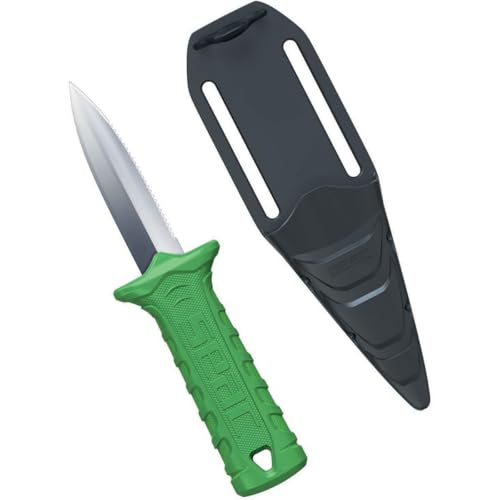 TOP CHOICEBest for spearfishingSeac SamuraiView on Amazon
- 4
 Best for a classic stainless buildSCUBAPRO Mako Stainless-Steel Diving KnifeView on Amazon
- 5
 Best budget pickSEAC Sharp Safety KnifeView on Amazon
- 6
 Best for a simple spear-style bladeSwift Shank Stainless Steel Spearfishing KnifeView on Amazon
Our Top Picks
Before you compare the list, it helps to know what makes a good vintage dive knife for sale candidate. Look for a stainless or titanium blade that has not been pitted, a sheath that still holds the blade securely, and a handle that does not crack when you flex it. Vintage pieces often trade on collector appeal, so a knife that looks good on a shelf may not be the one you want on your leg in salt water. The picks below are current, purchasable dive knives, and many of them share the classic dive-knife design that collectors look for. For more background on the historical designs, see Vintage Wenoka Dive Knife vs Modern Dive Knife (2026): Which Should You Choose? and Us Navy Dive Knife: How to Choose One for Reef and Wreck Diving.
Quick Comparison
| Product | Best for | Key feature |
|---|---|---|
| Saekodive Edge Series Dive Knife | Overall use with a holster and leg strap | Included sheath, holster and leg strap |
| GEAR AID Tanu Dive and Rescue Knife | Shallow reef work and line cutting | Blunt tip with line cutter |
| Seac Samurai | Spearfishing and freediving | Self-fastener strap |
| SCUBAPRO Mako Stainless-Steel Diving Knife | A classic stainless dive knife | 3.5-inch stainless blade |
| SEAC Sharp Safety Knife | Budget-minded divers | Protective coating on a compact blade |
| Swift Shank Stainless Steel Spearfishing Knife | Simple spear-style cutting | Stainless steel blade with a straightforward design |
Saekodive Edge Series Dive Knife
Saekodive Edge Series Dive Knife – Scuba Diving Knife with Knife Holster, Sheath and Leg Strap – Scuba Knife, Saltwater Knife, Spearfishing Knife (Large)
Best for: Overall use with a holster and leg strap
This is a good fit for divers who want a complete kit out of the box and plan to wear the knife on the leg for reef and shore dives. The listing name indicates a large size, a knife holster, a sheath and a leg strap, so the knife is designed to be carried, not just stored.
Key specs
- Listed as a large-size scuba knife
- Includes knife holster, sheath and leg strap
- Marketed for saltwater and spearfishing use
Pros
- Complete carry system included
- Large size suits divers with bulkier gear
- Designed for saltwater use
Cons
- Large size can be bulky on smaller legs
- Leg strap fit depends on wetsuit thickness
Bottom line: A strong choice for divers who want an all-in-one carry setup and do not mind a larger knife.
View on AmazonGEAR AID Tanu Dive and Rescue Knife
GEAR AID Tanu Dive and Rescue Knife with Sheath, Nav Green | 3-inch stainless-steel blunt tip blade with line cutter and quick release sheath for diving, salt water use.
Best for: Shallow reef work and line cutting
Divers who mainly need a blunt-tip knife for cutting line, fishing gear or fabric will find this useful. The listing describes a 3-inch stainless steel blunt tip, a line cutter and a quick-release sheath.
Key specs
- 3-inch stainless steel blade
- Blunt tip
- Line cutter and quick-release sheath
Pros
- Blunt tip reduces puncture risk
- Dedicated line cutter
- Quick-release sheath for fast access
Cons
- Short blade limits heavy-duty prying
- Not designed as a spearfishing tool
Bottom line: Best for divers who want a safety-first, line-cutting knife for reef and rescue use.
View on AmazonSeac Samurai
Seac Samurai, Diving knife for freediving and diving, Spearfishing knife with self-fastener strap, green
Best for: Spearfishing and freediving
This knife suits freedivers and spearfishers who want a knife that stays on the arm or leg with a self-fastener strap. The green finish is listed, and the knife is marketed for both diving and spearfishing.
Key specs
- Designed for diving and spearfishing
- Self-fastener strap
- Green finish
Pros
- Self-fastener strap is easy to adjust
- Purpose-built for spearfishing use
- Bright finish aids visibility
Cons
- Strap fit varies with limb size
- Less suited to heavy-duty tool work
Bottom line: A good match for freedivers and spearfishers who want a dedicated, strap-mounted blade.
View on AmazonSCUBAPRO Mako Stainless-Steel Diving Knife
SCUBAPRO Mako Stainless-Steel Diving Knife with 3.5-Inch Blade
Best for: A classic stainless dive knife
Divers who want a traditional, well-known stainless dive knife will recognize the Mako design. The listing specifies a 3.5-inch stainless blade, a common length for reef and general dive use.
Key specs
- Stainless steel construction
- 3.5-inch blade
Pros
- Recognizable classic dive-knife profile
- Stainless blade resists saltwater corrosion when rinsed
- Manageable blade length for general use
Cons
- Sheath and mounting options depend on your setup
- Stainless still needs rinsing and drying after salt exposure
Bottom line: A solid pick for divers who want a familiar, traditional stainless blade.
View on AmazonSEAC Sharp Safety Knife
SEAC Sharp, Safety Knife for Spearfishing, black protective Coating, 3.54 inches
Best for: Budget-minded divers
Divers looking for a compact, lower-cost knife with a protective coating may find this a practical option. At 3.54 inches it is a manageable size for everyday carry on the leg or vest.
Key specs
- Approximately 3.54-inch blade
- Black protective coating
- Designed as a safety and spearfishing knife
Pros
- Compact, easy-to-carry size
- Protective coating helps resist corrosion
- Budget-friendly option within the list
Cons
- Coating can wear over time with use
- Smaller blade offers less leverage
Bottom line: Good for divers who want a compact, budget-minded knife and will rinse it carefully after each dive.
View on AmazonSwift Shank Stainless Steel Spearfishing Knife
Swift Shank – Stainless Steel Spearfishing Knife
Best for: Simple spear-style cutting
This knife suits divers who want a straightforward stainless blade for spearfishing-style tasks and cutting. Its design is simple, which many owners appreciate for quick, reliable use.
Key specs
- Stainless steel construction
- Designed for spearfishing use
Pros
- Simple, uncomplicated design
- Stainless blade suited to saltwater rinse routines
- Good fit for spearfishing tasks
Cons
- Fewer listed specifications to compare
- Carry system depends on your own sheath or holster
Bottom line: A simple, no-frills option for spearfishers who want a stainless blade and already have a carry method.
View on AmazonBuying Guide
Blade material and condition
For a vintage piece, check the blade closely for pitting, flaking and rust staining, especially near the edge and at the rivets. Stainless steel is the most common blade material on modern dive knives and tolerates salt better than plain carbon steel. Ask the seller for close photos under good light, and do not rely on a photo filter to hide surface corrosion.
Good picks for this: SCUBAPRO Mako Stainless-Steel Diving Knife, Swift Shank Stainless Steel Spearfishing Knife
Tip shape
Pointed tips work for spearing and piercing, while blunt tips reduce the risk of puncturing a dry suit, wetsuit or a buddy’s gear. Choose based on what you actually do underwater. A blunt tip is usually the safer default for general reef work.
Good picks for this: GEAR AID Tanu Dive and Rescue Knife, SEAC Sharp Safety Knife
Size and fit
Measure the blade length you are comfortable with and the sheath width for your leg or arm. Larger knives add leverage but can snag on kelp and line. A 3 to 4 inch blade is a common range for dive use, though personal preference matters.
Good picks for this: Saekodive Edge Series Dive Knife, Seac Samurai
Carry system and sheath
A knife is only useful if you can reach it. Check whether the sheath holds the blade firmly, whether it releases with one hand, and whether the leg strap or self-fastener strap stays put with your wetsuit on. Many vintage sheaths are worn out, so budget time for a replacement if needed. For troubleshooting, see Why Won't My Dive Knife With Leg Strap Stay Put? 6 Causes and Fixes and How to Wear a Dive Knife: A Step-by-Step Guide for Reef Divers.
Good picks for this: Saekodive Edge Series Dive Knife, Seac Samurai
Use case
Reef divers, spearfishers and rescue-minded divers need different things. A line cutter and blunt tip suit general reef and safety work, while a spear-style blade suits hunting. Match the knife to your main activity rather than buying for every possible scenario.
Good picks for this: GEAR AID Tanu Dive and Rescue Knife, Swift Shank Stainless Steel Spearfishing Knife
Durability and corrosion resistance
Saltwater is hard on metal. Rinse the knife in fresh water after every dive, dry it, and lightly lubricate any moving parts if the manufacturer recommends it. Coatings can wear, so inspect them regularly. For a wider look at what holds up, see Stainless Steel Dive Knife: What to Look For and Which Types Work Best.
Good picks for this: SEAC Sharp Safety Knife, SCUBAPRO Mako Stainless-Steel Diving Knife
Care and maintenance
Sharpen the edge with a fine stone or ceramic rod as needed, and avoid prying with the tip. Check rivets and screws before each trip. If you own an older piece with a worn sheath or missing parts, see Wenoka Dive Knife Parts: A Practical Guide to Finding and Replacing Them for replacement guidance.
Good picks for this: Saekodive Edge Series Dive Knife, SCUBAPRO Mako Stainless-Steel Diving Knife
FAQ
Is a vintage dive knife safe to use?
It can be, if the blade is sound, the handle is intact and the sheath still holds the knife securely. Check for cracks, deep pitting and loose rivets before every dive. If you are unsure about a used knife’s condition, consult a dive shop professional before relying on it underwater.
What blade material is best for saltwater?
Stainless steel is the most common choice for saltwater use because it resists rust better than plain carbon steel. Titanium is also used on premium dive knives. Rinse any knife in fresh water after each dive regardless of material.
Should I choose a blunt tip or a pointed tip?
For general reef diving, a blunt tip is usually the safer default because it reduces the risk of puncturing gear or skin. A pointed tip suits spearfishing or piercing tasks. Your main activity should decide the choice.
How long should a dive knife blade be?
Many divers find a blade between about 3 and 4 inches practical. Longer blades add leverage but can snag on kelp, line and reef structure. Choose based on how you plan to use the knife.
Where should I wear a dive knife?
Most recreational divers wear a knife on the lower leg or on a vest or BCD mount. The best location is one you can reach with either hand while staying neutrally buoyant. Practice the draw on land before diving.
How do I check a used dive knife before buying?
Ask for close, well-lit photos of the blade, rivets, handle and sheath. Look for pitting, flaking, cracks and a sheath that is stretched or cracked. Ask about the blade steel and any repairs. Compare the listing against manufacturer specifications where the brand is known.
How do I keep a dive knife from corroding?
Rinse it in fresh water after every dive, dry it thoroughly, and store it out of direct sun. Inspect rivets and the sheath regularly, and address surface rust promptly with a gentle cleaner rather than letting it spread.
Conclusion
For most reef divers shopping for a vintage dive knife for sale, the Saekodive Edge Series is a practical all-in-one choice with a holster and leg strap. Divers focused on line cutting and rescue should consider the GEAR AID Tanu, while spearfishers may prefer the Seac Samurai or Swift Shank. The SCUBAPRO Mako suits anyone who wants a familiar stainless design, and the SEAC Sharp fits those who want a compact, budget-minded blade. Whichever you choose, inspect blade condition and sheath fit closely, and rinse thoroughly after every dive.
Sources
- Consumer product safety information that can help you judge the condition and use of sharp tools and related gear (cpsc.gov)
- Workplace safety guidance on knife handling and hazard awareness that applies to sharp-tool use (osha.gov)
- Guidance on underwater resource and environmental conditions relevant to reef diving (nps.gov)
About Miles Sinclair
Miles Sinclair is part of our editorial team and reviews and edits our scuba diving gear guides, checking product details against manufacturer specifications and owner feedback.
About the author
Miles Sinclair writes reviews and buying guides for Scuba Lanai.