4 Best Aqua Lung Dive Boots for Reef and Shore Diving (2026)
Compare the best aqua lung dive boots for reef and shore diving. See fit, warmth, zipper and sole differences to find the right pair for your dives.
 By Miles Sinclair
Updated November 9, 2026
 By Miles Sinclair
Updated November 2026
Choosing aqua lung dive boots comes down to a few practical questions: how warm the water is, whether you need a zipper or a pull-on entry, how much sole protection you want on rocky entries, and whether the boot has to fit over a dive sock. This guide compares four Aqua Lung dive boot models using listing specifications, brand reputation and common owner feedback. The criteria were thickness and warmth rating, closure type, sole design, fit range and how each boot is typically used. Nothing here is based on our own lab testing; where we describe fit or performance, we are relying on what the manufacturer states and what owners commonly report.
Our top picks at a glance
- 1TOP CHOICEBest overallAqualung Unisex Superzip Dive BootsView on Amazon
- 2
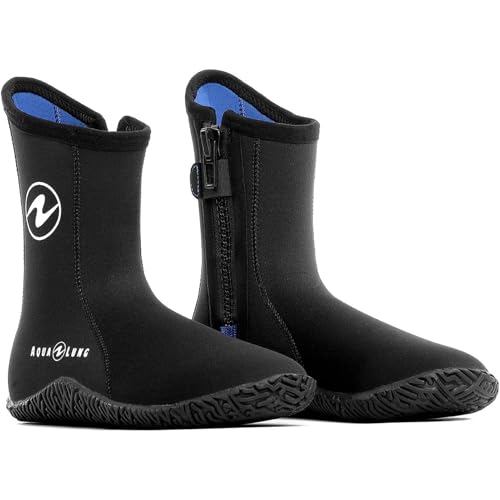 Best for cold water entriesAqualung Unisex Echozip Dive BootsView on Amazon
- 3
 Best for warm water and easy on-offAqualung Unisex Superlow 3mm Dive BootsView on Amazon
- 4
 Best budget pickAqua Lung 3mm Superlow Scuba Diving BootsView on Amazon
Our Top Picks
Quick Comparison
| Product | Best for | Key feature |
|---|---|---|
| Aqualung Unisex Superzip Dive Boots | Overall use with easy donning | Non-corrosive YKK zipper and 7mm thickness |
| Aqualung Unisex Echozip Dive Boots | Cooler water and shore entries | 5mm neoprene with YKK zipper |
| Aqualung Unisex Superlow 3mm Dive Boots | Warm water and low-profile use | 3mm neoprene with slip-resistant sole |
| Aqua Lung 3mm Superlow Scuba Diving Boots | Budget-conscious divers in mild water | 3mm Superlow construction |
Aqualung Unisex Superzip Dive Boots
AQUALUNG Unisex Superzip Dive Boots – Warm Ergonomic Protective Neoprene Scuba Diving Boots with Non-Corrosive YKK Zippers, Elastic Cuff Binding & 8mm Thick Treaded Sole, Black/Blue, 12, 7mm
Best for: Overall use with easy donning
This model suits divers who want a zippered boot with more warmth than a basic 3mm and who value a quick, secure closure. It is a reasonable all-round choice for mixed reef and shore dives.
Key specs
- 7mm thickness, as stated in the listing name
- Non-corrosive YKK zippers
- Elastic cuff binding
- 8mm thick treaded sole
- Available in Black/Blue
Pros
- Zipper closure makes entry and exit faster than pull-on styles
- Thick treaded sole adds grip on wet ladders and boat decks
- Non-corrosive zipper hardware suits regular saltwater rinsing
Cons
- 7mm thickness can feel warm in tropical water
- Zippered boots require a bit more care to keep the zipper free of sand
Bottom line: A good first choice for divers who dive in mixed temperatures and want a zippered boot with substantial warmth.
View on AmazonAqualung Unisex Echozip Dive Boots
AQUALUNG Unisex Echozip Dive Boots – Durable Warm Flexible Neoprene Scuba Diving Boots for Men & Women – Enhanced Protection, Slip-Resistant Treaded Sole & YKK Zippers, Black/Blue, 11, 5mm
Best for: Cooler water and shore entries
This boot fits divers in cooler regional waters who still want a zipper for fast on and off. It is a practical middle option between thin 3mm boots and the thicker 7mm style.
Key specs
- 5mm neoprene, per the listing name
- YKK zippers
- Slip-resistant treaded sole
- Available in Black/Blue
Pros
- 5mm thickness offers more warmth than 3mm boots without the bulk of 7mm
- YKK zipper closure is quick to use over a wetsuit
- Treaded sole helps on slippery shore entries
Cons
- Thicker neoprene takes longer to dry fully after a day of diving
- Less ideal for very warm water where 3mm is more comfortable
Bottom line: Best for divers in temperate or cooler water who want a zippered boot that is warmer than a 3mm option.
View on AmazonAqualung Unisex Superlow 3mm Dive Boots
Aqualung Unisex Superlow 3mm Dive Boots – Ergonomic Durable Neoprene Easy-On Warm Water Sports Boots with Slip-Resistant Sole & Enhanced Foot Protection for Scuba Diving, Black/Blue, 10
Best for: Warm water and low-profile use
A thin, flexible boot suited to tropical diving, where warmth is less of a concern and foot protection and easy movement matter more.
Key specs
- 3mm neoprene, per the listing name
- Slip-resistant sole
- Enhanced foot protection
- Available in Black/Blue, size 10
Pros
- Lightweight and flexible, which helps with fin comfort
- Dries faster than thicker neoprene styles
- Slip-resistant sole suits boat decks and reef entries
Cons
- Offers limited insulation in cold or deep dives
- Pull-on style may take more effort to get on when wet
Bottom line: A strong pick for warm-water divers who prioritize flexibility and quick drying over insulation.
View on AmazonAqua Lung 3mm Superlow Scuba Diving Boots
Aqua Lung 3mm Superlow Scuba Diving Boots, 11
Best for: Budget-conscious divers in mild water
This is a straightforward 3mm Superlow boot for divers who want Aqua Lung construction without the features of the zippered models. It fits best in mild water and as a backup pair.
Key specs
- 3mm Superlow construction
- Scuba diving boot designed for warm water use
- Size 11 listed
Pros
- Simple design with fewer parts to wear out
- Thin profile keeps the foot comfortable in warm water
- Easy to pack alongside other gear
Cons
- No zipper, so donning takes more effort on boats or shore entries
- Limited thermal protection for cooler water
Bottom line: A sensible choice for divers in warm water who want a no-frills boot and do not need a zipper.
View on AmazonBuying Guide
Thickness and water temperature
Thickness is the main factor in warmth. Thin 3mm neoprene suits tropical water, while 5mm and 7mm options are better for cooler conditions or longer dives. Check the water temperature for your local dive sites and choose the boot that matches the coldest conditions you expect.
Good picks for this: Aqualung Unisex Superlow 3mm Dive Boots, Aqualung Unisex Echozip Dive Boots
Closure type: zipper or pull-on
Zippered boots, such as the Superzip and Echozip, make entry faster and reduce the chance of tearing the neoprene while pulling. Pull-on styles are simpler and often lighter, but they take longer to get on when wet or cold. Think about how you enter the water most often.
Good picks for this: Aqualung Unisex Superzip Dive Boots, Aqua Lung 3mm Superlow Scuba Diving Boots
Sole design and grip
Thicker, treaded soles help on wet ladders, boat decks and rocky shore entries. Look for slip-resistant tread and enough sole thickness to protect the foot from sharp rock or coral rubble. A thin sole is fine for sand beaches but offers less protection on rough ground.
Good picks for this: Aqualung Unisex Superzip Dive Boots, Aqualung Unisex Superlow 3mm Dive Boots
Fit and sizing
Neoprene boots should fit snugly without pinching. Most manufacturers recommend sizing based on your shoe size, but check the brand’s size chart before ordering. Consider whether you will wear a dive sock inside the boot, since a sock adds bulk and may require going up a half size. Try boots on with the socks you plan to use.
Good picks for this: Aqua Lung 3mm Superlow Scuba Diving Boots, Aqualung Unisex Echozip Dive Boots
Durability and zipper care
Zippers are the most common point of wear. Rinse boots in fresh water after every dive, keep sand out of the zipper track, and avoid forcing the slider. Non-corrosive zipper hardware, as found on the Superzip and Echozip, handles saltwater better than standard metal. Check cuffs and seams for stress after heavy use.
Good picks for this: Aqualung Unisex Superzip Dive Boots, Aqualung Unisex Echozip Dive Boots
Drying and storage
Thinner neoprene dries faster, which helps when you dive several days in a row. Hang boots by the cuff or lay them flat in shade rather than in direct sun, since prolonged UV exposure can degrade neoprene over time. Store them dry and loosely folded.
Good picks for this: Aqualung Unisex Superlow 3mm Dive Boots, Aqua Lung 3mm Superlow Scuba Diving Boots
Use case: reef, boat or shore diving
For boat diving, a sturdy sole and easy on-off closure matter most. For shore diving, protection from rocks and coral is the priority. For reef diving from a boat with a short surface walk, a balance of grip and flexibility usually works best. Match the boot to your most frequent type of dive.
Good picks for this: Aqualung Unisex Superzip Dive Boots, Aqualung Unisex Echozip Dive Boots
FAQ
What thickness of aqua lung dive boots do I need?
For tropical water, a 3mm boot is usually comfortable. For cooler regional water, 5mm or 7mm boots add warmth. Compare the water temperature at your dive sites against the thickness you are considering.
Should I buy zippered or pull-on dive boots?
Zippered boots make entry and exit faster and are helpful on boats and shore entries. Pull-on boots are simpler and often lighter. Choose based on how you enter the water and whether you want the extra convenience of a zipper.
Do I need to wear a dive sock with dive boots?
Many divers wear a thin dive sock under dive boots to reduce friction and improve fit. If you use a sock, check sizing with it on, since it can make the boot feel tighter.
How should I size aqua lung dive boots?
Start with the manufacturer’s size chart and compare it to your shoe size. The boot should fit snugly without pinching or lifting at the heel. Try them on with the socks you plan to use if possible.
How do I clean and care for neoprene dive boots?
Rinse them in fresh water after every dive, especially around the zipper. Dry them out of direct sunlight, and store them loosely. Avoid petroleum-based products on neoprene, since they can break it down.
Are dive boots necessary for reef diving?
They are not always required, but they protect the feet from sharp coral, rock and hot boat decks. Many divers find they make entries and surface walks more comfortable. Your local dive operator may have specific guidance.
How long do neoprene dive boots last?
Lifespan depends on use, rinsing habits and storage. Regular saltwater exposure and sun can shorten it, so inspect seams, cuffs and zippers periodically. If you notice cracking or tearing, consider replacing them.
Conclusion
For most divers, the Aqualung Unisex Superzip Dive Boots offer a balanced mix of warmth, zipper convenience and sole protection. Divers in cooler water who want a zipper and a little less bulk may prefer the Aqualung Unisex Echozip Dive Boots. For warm-water divers who value flexibility and quick drying, the Aqualung Unisex Superlow 3mm Dive Boots are a strong option. The Aqua Lung 3mm Superlow Scuba Diving Boots suit divers who want a simple, no-zipper boot for mild conditions. Check the water temperature, entry style and sizing before you buy.
Sources
- Consumer product safety information and general guidance on consumer equipment (cpsc.gov)
- Workplace safety guidance that applies to wet-surface and footing hazards (osha.gov)
- Guidance on marine environments and protecting reef and underwater habitats (nps.gov)
Related reading
- Tilos TruFit Dive Boots Review: Who Is It For?
- Mares Trilastic 5mm Dive Boots: Fit, Warmth and Buying Tips
- Dive Bomb Trudge Boots: 7 Best Picks for Boat Decks and Shore Dives
About Miles Sinclair
Miles Sinclair is part of our editorial team and reviews and edits our scuba diving gear guides, checking product details against manufacturer specifications and owner feedback.
About the author
Miles Sinclair writes reviews and buying guides for Scuba Lanai.