5 Best Dive Knifes for Weight Belt Options for Reef Divers
Compare 5 dive knives that work with a weight belt, covering mounting, blade type, sheath security and fit, so you can choose one for reef or wreck dives.
 By Miles Sinclair
Updated November 24, 2026
 By Miles Sinclair
Updated November 2026
Choosing a dive knife for weight belt use is less about raw blade strength and more about how the knife sits on your body once you are kitted up, wet, and moving in current. A dive knife for weight belt mounting has to stay put when you swim through a gap in the reef, clear a line from kelp, or kneel on sand, and it must come out with one hand when you need it. The picks below were compared on mounting options, blade design, sheath retention, corrosion resistance and fit, using manufacturer specifications and the patterns owners commonly describe in their feedback. Nothing here reflects personal field testing.
Our top picks at a glance
- 1TOP CHOICEBest overallSwift Shank Stainless Steel Spearfishing KnifeView on Amazon
- 2
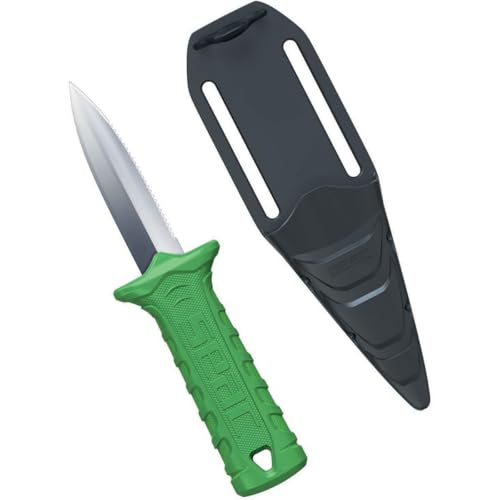 TOP CHOICEBest for spearfishing crossoverSeac Samurai Diving KnifeView on Amazon
- 3
 TOP CHOICEBest for holster versatilitypunada Dive Knife with Holster and Leg StrapsView on Amazon
- 4
 Best for full sheath and strap kitDRAGON RIOT Scuba Diving KnifeView on Amazon
- 5
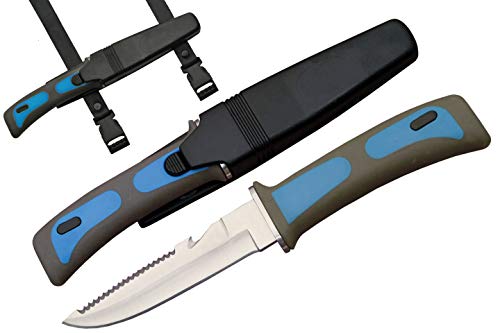 Best budget pickSZCO Supplies 9-Inch Blue Dive KnifeView on Amazon
Our Top Picks
Quick Comparison
| Product | Best for | Key feature |
|---|---|---|
| Swift Shank Stainless Steel Spearfishing Knife | Mixed reef and spearfishing use | Stainless steel blade with a spearfishing-style profile |
| Seac Samurai Diving Knife | Freedivers and scuba divers who want a self-fastening strap | Self-fastener strap for leg or arm mounting |
| punada Dive Knife with Holster | Divers who want two sheath options | Two sheath types and two pairs of thigh straps |
| DRAGON RIOT Scuba Diving Knife | Divers who want a complete kit out of the box | Stainless steel blade with sheath and leg straps included |
| SZCO Supplies 9-Inch Blue Dive Knife | Budget-minded divers and first knives | Rubberized grip with sawtooth spine and hard sheath |
Swift Shank Stainless Steel Spearfishing Knife
Swift Shank – Stainless Steel Spearfishing Knife
Best for: Mixed reef and spearfishing use
This suits divers who want a stainless blade that can handle line cutting and light prying while still fitting a standard spearfishing-style mounting approach. It is a practical option for those who dive from shore and carry the knife on the calf or thigh.
Key specs
- Stainless steel spearfishing knife
- Fixed blade design
Pros
- Stainless construction suits saltwater rinsing
- Spearfishing profile is familiar to many reef divers
- Works as a general-purpose line cutter
Cons
- Mounting hardware may need adjustment to sit flat on a weight belt
- Owners sometimes report the sheath needs a firmer retention check
Bottom line: A strong first choice for divers who want a stainless spearfishing-style knife for mixed use.
View on AmazonSeac Samurai Diving Knife
Seac Samurai, Diving knife for freediving and diving, Spearfishing knife with self-fastener strap, green
Best for: Spearfishing crossover
Freedivers and scuba divers who also spearfish will appreciate the self-fastener strap, which can be adapted to a leg or arm position. It fits divers who want one knife for several roles.
Key specs
- Designed for freediving and diving
- Self-fastener strap included
- Green finish
Pros
- Self-fastener strap is simple to adjust
- Suitable for both freediving and scuba
- Compact enough for a weight belt position
Cons
- A weight belt mount may need a separate accessory for secure retention
- Strap fit depends on your suit thickness
Bottom line: Best for divers who split time between spearfishing and scuba and want a versatile strap system.
View on Amazonpunada Dive Knife with Holster and Leg Straps
punada Dive Knife – Scuba Diving Knife with holster, 2 Types Sheath 2 Pairs Thigh Leg Straps, Black Premium Divers Knives Shears for Outdoor Spearfishing, Snorkeling
Best for: Holster versatility
This option is aimed at divers who want to switch between a holster-style carry and a thigh-strap carry depending on the dive. The two sheath types give flexibility for different suit and weight belt setups.
Key specs
- Two sheath types
- Two pairs of thigh leg straps
- Black finish
Pros
- Two carry options in one kit
- Extra leg straps give room for repositioning
- Black finish is easy to locate in murky water
Cons
- Holster bulk can snag on a wide weight belt
- Some owners report straps stretch over time
Bottom line: A good match for divers who want holster and thigh options in one package.
View on AmazonDRAGON RIOT Scuba Diving Knife
DRAGON RIOT Scuba Diving Knife, Stainless Steel, Sheath and Leg Straps | For scuba diving, snorkeling and saltwater activities, with carrying and attachment details for underwater use and dive trips
Best for: Complete kit out of the box
Divers who want a knife, sheath and leg straps ready to use, without buying accessories separately, will find this kit convenient. It is designed for scuba, snorkeling and saltwater use.
Key specs
- Stainless steel blade
- Sheath and leg straps included
- Designed for scuba and snorkeling
Pros
- Complete kit reduces setup steps
- Stainless construction for saltwater use
- Suitable for both scuba and snorkeling
Cons
- Weight belt mounting is not a stated feature, so check sheath geometry
- Kit size may feel large on smaller frames
Bottom line: Pick this if you want a full kit and plan to mount the sheath on your leg or harness.
View on AmazonSZCO Supplies 9-Inch Blue Dive Knife
SZCO Supplies 9-Inch Blue Dive Knife with Stainless Steel Blade, Rubberized Grip, Sawtooth Spine, Hard-Sheath & Leg Strap for Diving, Snorkeling, and Outdoor Adventures
Best for: Best budget pick
New divers and those who want a dependable knife for occasional use will find this a sensible starting point. The rubberized grip and hard sheath cover the basics without extra features to learn.
Key specs
- 9-inch blade length
- Stainless steel blade
- Rubberized grip
- Sawtooth spine
- Hard sheath and leg strap
Pros
- Rubberized grip helps with wet handling
- Sawtooth spine adds cutting option for line and fishing gear
- Hard sheath protects the blade in storage
Cons
- Nine inches is long for some weight belt setups
- Hard sheath adds bulk and may sit awkwardly on a belt
Bottom line: A practical entry-level choice for divers who want a long, simple dive knife without premium features.
View on AmazonBuying Guide
Mounting Position and Weight Belt Compatibility
Before buying, confirm how the knife will attach. Many divers mount on a leg strap, but a weight belt position can work if the sheath has a belt loop or if you add a compatible clip. Check the sheath width against your belt width, and make sure the knife does not rest against your regulator hose or the side of your BCD pocket.
Good picks for this: Seac Samurai Diving Knife, punada Dive Knife with Holster and Leg Straps
Blade Length and Overall Size
Blade length affects how the knife sits on a belt. Shorter blades, often in the 3 to 4 inch range, tend to stay closer to the body. Longer blades can be useful for cutting heavy line but may swing when you kick. Match the length to the tasks you expect: line cutting usually needs less blade than prying.
Good picks for this: SZCO Supplies 9-Inch Blue Dive Knife, Swift Shank Stainless Steel Spearfishing Knife
Blade Material and Corrosion Resistance
Stainless steel is the common choice for saltwater use. Check whether the listing specifies a grade, and rinse the knife in fresh water after every dive. Stainless steel can still pit if left wet with salt residue, so routine rinsing and drying matter more than the label.
Good picks for this: DRAGON RIOT Scuba Diving Knife, Swift Shank Stainless Steel Spearfishing Knife
Blade Edge: Blunt Tip, Serrated or Sawtooth
A sawtooth or serrated spine helps with line and mesh, while a blunt tip is safer around the body and other divers. Consider your typical dives. Reef work favors a blunt tip. Wreck or kelp work may justify a serrated edge for cutting line.
Good picks for this: SZCO Supplies 9-Inch Blue Dive Knife, Seac Samurai Diving Knife
Sheath Retention and Release
A knife that falls out during a current swim is a liability. Test the sheath by pulling the knife out slowly and by shaking the mount. Look for a retention feature that holds under load but releases with one motion. Hard sheaths hold shape better, while soft sheaths are quieter and lighter.
Good picks for this: punada Dive Knife with Holster and Leg Straps, DRAGON RIOT Scuba Diving Knife
Strap Material and Adjustment
Straps need to stay tight over a wetsuit and resist stretching. Neoprene or nylon webbing with a quick-release buckle is common. Check that the strap can be adjusted over your suit thickness, and carry a spare if your dive plan is remote.
Good picks for this: Seac Samurai Diving Knife, DRAGON RIOT Scuba Diving Knife
Care and Maintenance
Rinse the knife and sheath in fresh water after each dive, dry thoroughly, and check the sheath for grit that can wear the blade. Inspect straps for stretch and replace them when they no longer hold. Maintenance is what keeps a dive knife dependable, regardless of brand.
Good picks for this: SZCO Supplies 9-Inch Blue Dive Knife, Swift Shank Stainless Steel Spearfishing Knife
FAQ
Can I wear a dive knife on a weight belt?
Yes, but it depends on the sheath and belt design. Many divers prefer a leg mount because it keeps the knife away from the weight pockets. If you use a weight belt position, confirm the sheath has a secure attachment point and that the knife will not interfere with weight release.
Which blade type is best for reef diving?
Reef divers usually prefer a blunt tip, which reduces the risk of snagging or injuring coral and other divers. A serrated or sawtooth spine can help with line cutting, but it is less important on a typical reef dive.
How long should a dive knife blade be?
Blade length depends on your tasks and your body size. Many divers find shorter blades easier to carry on a belt, while longer blades are useful for heavier line. Choose the shortest blade that still handles the cutting you expect.
Do I need a stainless steel knife for saltwater?
Stainless steel is the common choice for saltwater diving because it resists general corrosion. It still requires rinsing and drying after every dive, since salt residue can cause pitting over time.
How do I keep a dive knife from falling out?
Check sheath retention before each dive by pulling and shaking the knife. Make sure straps are snug over your suit and replace stretched straps. A secure, one-motion release is more reliable than a loose sheath.
Should I carry a second knife?
Some divers carry a backup, especially on wreck or cave-adjacent dives where line entanglement is more likely. For typical reef and shore dives, one well-mounted knife is usually sufficient. Consider your dive profile and training when deciding.
Is a dive knife a substitute for dive training?
No. A knife is a tool, not a safety system. Entanglement and emergency procedures should be covered in a recognized training course, and a qualified instructor can help you practice knife use and mounting before you rely on it.
Conclusion
For a dive knife for weight belt or near-belt mounting, start with sheath retention and blade length, then choose the blade edge that matches your dives. The Swift Shank suits mixed reef and spearfishing use. The Seac Samurai fits divers who want a self-fastening strap. The punada kit offers holster and leg options. The DRAGON RIOT is a complete starting kit, and the SZCO Supplies knife is a sensible budget choice. Check each mounting setup in the water before you commit to it.
Sources
- Consumer product safety information relevant to sharp-edged tools and storage (cpsc.gov)
- Guidance on responsible marine and underwater recreation practices (nps.gov)
- Information on saltwater conditions, currents and marine environments (noaa.gov)
Before you buy: helpful guides
Related reading
- What Is a Jack Knife Dive? Steps, Mistakes and Safety Tips
- Wenoka Dive Knife Parts: A Practical Guide to Finding and Replacing Them
- Vintage Wenoka Dive Knife vs Modern Dive Knife (2026): Which Should You Choose?
- Vintage Dive Knife for Sale: 6 Best Picks for Reef Divers
About Miles Sinclair
Miles Sinclair is part of our editorial team and reviews and edits our scuba diving gear guides, checking product details against manufacturer specifications and owner feedback.
About the author
Miles Sinclair writes reviews and buying guides for Scuba Lanai.