3 Best Dive Boots for Open Heel Fins (2026)
Find the best dive boots for open heel fins. We compare three picks by fit, warmth, sole grip and heel protection to help reef and shore divers choose.
 By Miles Sinclair
Updated November 13, 2026
 By Miles Sinclair
Updated November 2026
Dive boots for open heel fins need to do two jobs at once: keep your feet warm and protected on rough entries and hot pavement, and fit snugly enough that the fin heel strap sits correctly without rubbing or slipping. The picks below were chosen by comparing manufacturer specifications, brand reputation and common owner feedback on fit, neoprene thickness, sole grip and heel protection. This is a research-based list, not a set of hands-on tests.
Our top picks at a glance
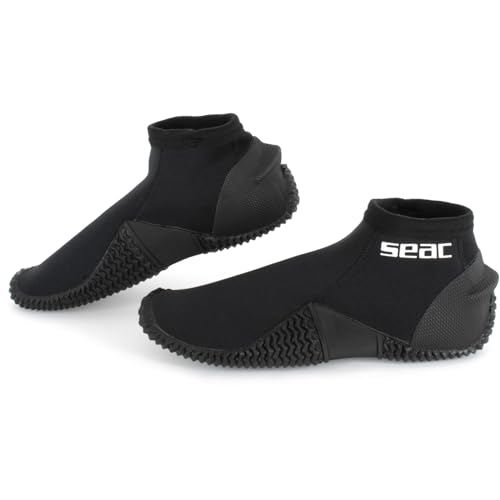
- 1TOP CHOICEBest overallSEAC Tropic 2 mm Neoprene Diving Boots with Rigid Sole and Heel ProtectionView on Amazon
- 2
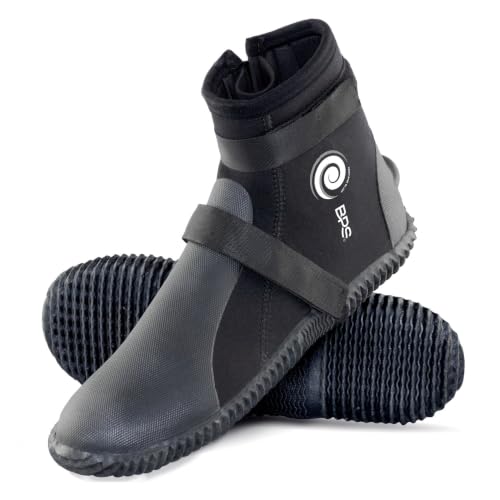 Best for warmer water and light useBPS 3mm Neoprene Water Boots – Dive Boots with Rubberized Antislip SolView on Amazon
- 3
 Best for rugged shore entriesATACLETE 'The Essentials' USAF Spec-War Training Gear Pack (L (Fin) –View on Amazon
Our Top Picks
| Product | Best for | Key feature |
|---|---|---|
| SEAC Tropic 2 mm Diving Boots | Warm water reef dives | Rigid sole, heel protection |
| BPS 3mm Neoprene Water Boots | Light use and watersports | Rubberized antislip sole |
| ATACLETE ‘The Essentials’ Gear Pack | Rugged shore entries | Heavy-duty training build |
SEAC Tropic 2 mm Neoprene Diving Boots with Rigid Sole and Heel Protection
SEAC Tropic, 2 mm Neoprene Diving Boots with Rigid Sole and Heel Protection
Best for: Warm water reef dives where you want a low-bulk boot that still protects the foot.
This is a good fit for divers who wear open heel fins and want a thin, flexible boot with a firm sole for walking over coral rubble and rocky entries.
Pros
- Rigid sole adds stability on uneven surfaces
- Heel protection helps with fin strap contact
Cons
- 2 mm neoprene offers limited warmth in cool water
BPS 3mm Neoprene Water Boots – Dive Boots with Rubberized Antislip Sole for Swim Fins Watersports Rafting SUP Kayaking Surfing – High Cut Dive Shoes Slip on-and-Off Design (Size 8)
BPS 3mm Neoprene Water Boots – Dive Boots with Rubberized Antislip Sole for Swim Fins Watersports Rafting SUP Kayaking Surfing – High Cut Dive Shoes Slip on-and-Off Design (Size 8)
Best for: Light use and watersports where easy slip-on fit matters most.
Suited to divers and snorkelers who switch between fins, paddling and shore walks and want a boot that goes on and off quickly.
Pros
- Rubberized antislip sole grips wet surfaces
- 3 mm neoprene adds more warmth than thinner options
Cons
- Slip-on design may feel less secure on rough entries
ATACLETE ‘The Essentials’ USAF Spec-War Training Gear Pack (L (Fin) – 10 (US Men Boot Size))
ATACLETE 'The Essentials' USAF Spec-War Training Gear Pack (L (Fin) – 10 (US Men Boot Size))
Best for: Rugged shore entries and heavy-use days on hard or sharp surfaces.
A better match for divers who prioritize durability and foot protection over minimal bulk, especially when launching from rocky or concrete ramps.
Pros
- Built for demanding training use
- Sturdy construction suits rough shore entries
Cons
- Heavier and bulkier than dedicated neoprene dive boots
Buying Guide
Fit with your fin heel strap
The boot should be snug enough that your heel does not slide, but not so tight that it restricts blood flow. Check that the fin strap sits flat over the boot without pinching the top of the foot.
Neoprene thickness
Thinner neoprene, around 2 mm, suits warm water and reef work where flexibility matters. Thicker 3 mm or more adds warmth for cooler water but reduces fin feel slightly.
Good picks for this: SEAC Tropic 2 mm, BPS 3mm Neoprene Water Boots
Sole grip and stability
Look for a rigid or rubberized sole if you walk over rocks, coral rubble or wet concrete. A firm sole also helps when you pull on fins at the water’s edge.
Good picks for this: SEAC Tropic 2 mm, ATACLETE ‘The Essentials’ USAF Spec-War Training Gear Pack
Durability for shore entries
If you enter over sharp rock or hot pavement most often, favor heavier construction over minimal bulk. Heavier boots trade some flexibility for better protection.
Good picks for this: ATACLETE ‘The Essentials’ USAF Spec-War Training Gear Pack
FAQ
Do dive boots work with open heel fins?
Yes, dive boots are designed to be worn under open heel fins. Make sure the fin strap fits over the boot without slipping or pinching.
How thick should dive boots be for reef diving?
Many divers use 2 mm to 3 mm neoprene for reef work, depending on water temperature. Warmer water favors thinner boots, while cooler water calls for more neoprene.
Can I use dive boots for boat dives?
Yes, a grippy sole helps on wet, slippery boat decks. Consult a dive professional if you have questions about foot safety on specific boats.
Conclusion
For warm-water reef diving with open heel fins, the SEAC Tropic 2 mm offers a thin, stable fit. The BPS 3mm suits cooler water and easy on-and-off use, while the ATACLETE pack fits divers who need rugged protection on rough shore entries.
Sources
- Guidance on safe water entry and footwear on shore dive sites (nps.gov)
- Background on reef environments and why foot protection matters
Related reading
- 4 Best Dive Boots and Fins for Reef and Shore Diving (2026)
- Types of Dive Boots: Which Style Fits Reef and Shore Diving?
- Tilos TruFit Low Cut Dive Boots Review: Who Is It For?
- Tilos TruFit Dive Boots Review: Who Is It For?
- Size 15 Dive Boots: How to Find a Fit That Works for Reef Diving
About Miles Sinclair
Miles Sinclair is part of our editorial team and reviews and edits our scuba diving gear guides, checking product details against manufacturer specifications and owner feedback.
About the author
Miles Sinclair writes reviews and buying guides for Scuba Lanai.