Tilos TruFit Low Cut Dive Boots Review: Who Is It For?
Reviewing the Tilos TruFit 3mm low cut dive boots: fit, warmth, pros and cons, and who should buy these short scuba booties or skip them for reef diving.
 By Miles Sinclair
Updated November 11, 2026
 By Miles Sinclair
Updated November 2026
Low cut dive boots suit divers who want foot protection and a little extra warmth without the bulk of full-height neoprene. They work well for shore entries, warm-water boat dives, snorkeling and paddle sports where you mostly need to protect your feet from sharp rock, coral rubble and hot sand. Divers who regularly walk long distances over rough terrain, cold-water divers who need serious insulation, or anyone wearing very wide or very narrow feet should look elsewhere. The Tilos TruFit is a short-cut, ergonomic 3mm neoprene bootie aimed at the first group, so the rest of this review looks at what it does well, where it falls short, and how to decide whether it fits your diving.
Tilos TruFit 3mm Low Cut Dive Boots for Adults, Short Scuba Booties, Black | 3mm short-cut ergonomic neoprene booties; warm beach boot for scuba diving, snorkeling and water sports
Product Overview
The Tilos TruFit 3mm Low Cut Dive Boots are short scuba booties made from neoprene, sold as a warm beach boot for scuba diving, snorkeling and general water sports. The listing describes an ergonomic shape, which in practice means the bootie is cut to follow the natural curve of the foot rather than a straight tube. The short cut stops below the ankle, so it does not interfere with fin straps or the bottom edge of a drysuit or wetsuit leg.
At 3mm, the neoprene sits in the middle of the thickness range used for warm-water exposure suits. It is thick enough to take the edge off cooler water and cold boat decks, yet thin enough that most divers can still feel the fin pocket and wear their boots comfortably for an entire day. The Tilos brand is known in the dive community for affordable, straightforward footwear, and the TruFit line is positioned as the everyday option rather than a technical boot.
Because this is a bootie rather than a full boot, it does not have a heavy rubber sole or a rigid heel counter. Think of it as a sock with thick neoprene and grip, not a hiking shoe. That distinction matters for how you use it, and it is covered in more detail below.
Key Features & Specifications
The table below lists only the specifications stated in the product listing or that are clearly implied by its name. Manufacturers update materials and sizing charts from time to time, so confirm details on the current listing before ordering.
| Feature | Details |
|---|---|
| Product type | Low cut / short scuba bootie |
| Material | Neoprene |
| Thickness | 3mm |
| Cut | Short, ergonomic, sits below the ankle |
| Intended use | Scuba diving, snorkeling, water sports, warm beach entries |
| Color | Black |
| Fit style | Pull-on, shaped to the foot |
Two things are worth noting from the specs. First, the 3mm rating puts this boot in the warm-to-mild water category rather than cold water. Second, the short cut is a deliberate trade-off: it keeps the boot lightweight and flexible, but it leaves the ankle and lower shin exposed. If you dive in water where you need protection up the leg, a different style will serve you better.
Pros & Cons
Pros
- Short cut keeps the bootie out of the way of fin straps and suit cuffs.
- 3mm neoprene gives moderate warmth for tropical and mild-temperate dives.
- Ergonomic shaping is intended to reduce bunching at the arch and toes.
- Lightweight enough to pack in a dive bag without taking much room.
- Suitable for multiple activities, including snorkeling and paddle sports.
- Pull-on design is quick to put on, which helps when boats or shore entries are time-sensitive.
Cons
- Not designed for cold water, where thicker boots or hoods are needed.
- Thin sole offers limited protection on sharp coral or hot pavement.
- Low ankle coverage means the lower leg stays exposed to stings and scrapes.
- Sizing can be sensitive; divers with unusual foot widths may need to check the size chart carefully.
- Owners often mention that neoprene can be harder to pull on when wet, especially without a light lubricant.
Performance Analysis
Performance for a bootie like this comes down to four things: warmth, protection, fit and durability. Based on the listed 3mm thickness, the boot should provide a reasonable thermal layer in water roughly in the 75°F to 85°F range when worn alone. Divers who run cooler than average, or who spend long surface intervals on a cold boat deck, will likely feel the difference and may want to add a dive sock underneath. The ergonomic cut is intended to keep the boot snug at the heel without pinching the forefoot, which is a common complaint with generic neoprene booties.
Protection is where expectations need to be realistic. The thin sole and short cut are fine for shuffling across sand, stepping off a dive platform or walking down a gravel beach. They are not a substitute for a rugged reef boot when you are scrambling over broken rock or walking on sharp volcanic shelves. Owners of short booties generally report that the boot works well for shore entries with soft or moderately rough surfaces but that heavy-duty rock-hopping wears through the neoprene faster than expected.
Durability is typical for thin neoprene. Expect the stitching and the sole edges to show wear first, particularly if the boots are rinsed in fresh water and left to dry in direct sun. Rinsing after every dive, drying in the shade and storing flat will extend the life of any neoprene bootie. Fit is generally the decisive factor: a snug, even fit that does not roll at the heel will perform far better than a loose one that slides and bunches with every fin kick.
Who Should Buy This Product?
This boot makes the most sense for warm-water divers who want light foot protection without the bulk of a full boot. That includes recreational divers doing boat dives in the Caribbean, Pacific island destinations or the Gulf of Mexico in summer, as well as snorkelers and paddle-sports enthusiasts who need protection from sand, shells and the occasional sharp edge. It is also a reasonable second pair for a traveler who wants something packable.
You should skip this boot if you dive cold water, if you regularly walk long distances over rough terrain, or if your dive site requires protection up the lower leg. Divers with very wide or very narrow feet should check sizing carefully before buying, and anyone who needs maximum insulation will be better served by a thicker or taller model. Our Mares Trilastic 5mm Dive Boots: Fit, Warmth and Buying Tips article covers a thicker option for cooler conditions.
Buying Guide
Before buying any dive boot, start with water temperature and terrain. Warm water and soft entries point toward a bootie like the TruFit. Cooler water or rocky shore entries point toward a taller, thicker boot. Fit comes next: a dive boot should feel snug everywhere without pinching, and your heel should not lift when you walk. Our guide on How Should Dive Boots Fit? A Step-by-Step Guide for Reef Divers walks through the check. Always compare against the manufacturer’s size chart rather than your shoe size, because neoprene stretches and sizing varies between brands.
If you want an alternative to compare, the CRESSI Minorca Short 3 mm Low-Cut Diving Boots are a well-known short 3mm option with a similar purpose.
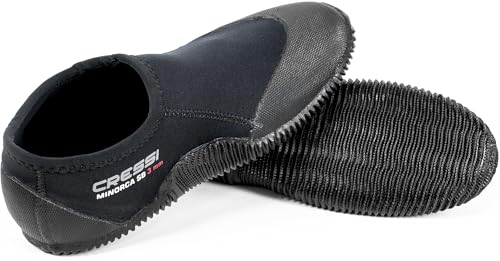
CRESSI Minorca Short 3 mm Low-Cut Diving Boots, Black/Black, 3 mm, 7
Another budget-oriented option that many divers consider is the EVO 2MM Neoprene Low Cut Dive Boots with Anti-Slip Rubber Sole. Its thinner 2mm neoprene and rubber sole make it a good fit for warm water and wet-deck footing, though it offers less warmth than the TruFit.

EVO 2MM Neoprene Low Cut Dive Boots with Anti-Slip Rubber Sole, Pull on Low Cut Dive Boots for All Watersports, Dive Booties, Snorkeling Booties, Paddleboarding Booties 10
For a more rugged, full-coverage alternative, see 6 Best Heavy Duty Dive Boots for Reef and Boat Diving (2026), which covers taller boots built for harder surfaces. Whichever model you choose, pair it with a thin dive sock if you run cold or plan to wear the boots for several dives in a row. Our roundup of 5 Best Dive Socks for Boots: Neoprene Picks for Reef and Shore Diving lists options that fit easily inside a bootie.
FAQ
Are low cut dive boots warm enough for cold water?
Not usually. A 3mm short bootie is designed for warm to mild water. For water much below the high 60s°F, consider a thicker, taller boot or a boot paired with a sock and a suit with a hood. Individual tolerance varies, so use your own comfort as the final guide.
Do I need a dive sock with a bootie like the TruFit?
It depends on the water temperature and how sensitive your feet are to cold. In warm water, many divers wear the bootie alone. In cooler water or on long surface intervals, a thin sock adds warmth and can make the boot easier to pull on.
How should I size low cut dive boots?
Measure your foot length and width, then compare to the manufacturer’s size chart. Neoprene is stretchy, so the boot should feel snug without pinching. Your heel should stay in place when you walk. If you fall between sizes, check the specific size chart rather than assuming the larger size is safer.
Can I wear low cut dive boots for snorkeling?
Yes. Snorkeling is one of the most common uses for short booties. They protect your feet from sharp shells, coral rubble and hot sand, and they keep the feet warmer during long sessions in the water.
How do I put on neoprene booties without tearing them?
Turn the boot inside out, slide your foot in with the heel aligned, and pull the boot up gradually. Avoid pulling on the top edge with force. Rinsing the inside with fresh water or using a light lubricant can help when the neoprene is wet.
How long do low cut dive boots last?
Lifespan varies with use, water exposure and care. Rinsing in fresh water after every dive, drying in the shade and storing flat will extend life considerably. Heavy rock-hopping or frequent exposure to UV can shorten it.
Are these boots good for paddle sports?
They can be. Short neoprene booties are popular for paddleboarding and kayaking in warm water because they protect the feet from cold splash and grip. If you paddle in cold conditions, choose a thicker product.
Final Verdict
The Tilos TruFit 3mm Low Cut Dive Boots are a sensible choice for warm-water divers, snorkelers and paddle-sport users who want light, packable foot protection with a comfortable ergonomic fit. They are not built for cold water, rough terrain or leg coverage, and their thin sole means they will not replace a rugged reef boot. If your diving is mostly tropical boat dives and gentle shore entries, this is a practical pick. If you need more warmth or protection, look at the taller and thicker options mentioned above before you buy.
View on AmazonRelated reading
- Tilos TruFit Dive Boots Review: Who Is It For?
- Size 15 Dive Boots: How to Find a Fit That Works for Reef Diving
- Mares Trilastic 5mm Dive Boots: Fit, Warmth and Buying Tips
- Mares 2mm Equator Dive Boots: Fit, Warmth and Buying Guide
- How Should Dive Boots Fit? A Step-by-Step Guide for Reef Divers
- Dive Boots Size Chart: How to Size Dive Boots Right the First Time
About Miles Sinclair
Miles Sinclair is part of our editorial team and reviews and edits our scuba diving gear guides, checking product details against manufacturer specifications and owner feedback.
About the author
Miles Sinclair writes reviews and buying guides for Scuba Lanai.