Top 6 Most Powerful Dive Lights with Maximum Lumens for Night Diving
Looking for the most powerful dive light? Compare seven high-lumen options by output, beam, waterproof rating and battery for night and deep reef dives.
 By Miles Sinclair
Updated November 21, 2026
 By Miles Sinclair
Updated November 2026
Choosing the most powerful dive light comes down to more than a lumen number on the box. Beam angle, battery runtime, waterproof rating and how the light handles depth all change how useful it is underwater. The picks below are compared on the specs manufacturers publish and on patterns owners commonly report, so you can match output to the diving you actually do.
Our top picks at a glance
- 1TOP CHOICEBest overallWurkkos DL30 Dive Light Rechargeable, 3600 Lumens Bright Scuba Diving LightView on Amazon
- 2
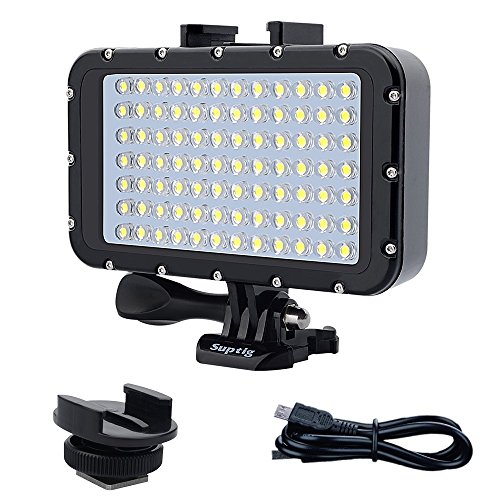 TOP CHOICEBest for video and photo workSuptig Underwater Lights Dive Light 84 LED High Power Dimmable Waterproof LED Video LightView on Amazon
- 3
 TOP CHOICEBest for very high outputDive Light LetonPower Underwater Flashlight 8000Lumens Underwater Video Lights 80mView on Amazon
- 4
 Best for simple everyday useWINDFIRE Dive Light Scuba Diving Flashlight Bright Underwater FlashlightView on Amazon
- 5
 Best for long-range spot beamsORCATORCH D710 3000 Lumens Dive Light, Bright Diving Flashlight, BlackView on Amazon
- 6
 Best for maximum lumensLetonPower Diving Flashlight, L24 12000Lumens Dive Light, 100m Underwater Video LightView on Amazon
- 7
 Best for extreme depth and cave workAPLOS AP150 Dive Light – 15000 Lumens, Waterproof to 492ft, Powerful SView on Amazon
Our Top Picks
| Product | Best for | Key feature |
|---|---|---|
| Wurkkos DL30 | Overall night diving | 3600 lumens, IPX-8 |
| Suptig Underwater Lights Dive Light | Video and photo work | 84 LEDs, dimmable |
| LetonPower 8000 Lumens | High output video | 8000 lumens, 80m rating |
| WINDFIRE Dive Light | Simple everyday use | 3 modes, power indicator |
| ORCATORCH D710 | Focused spot beams | 3000 lumens, 6° beam |
| LetonPower L24 | Maximum lumens | 12000 lumens, Type-C |
| APLOS AP150 | Extreme depth work | 15000 lumens, 492ft rating |
Wurkkos DL30 Dive Light Rechargeable, 3600 Lumens Bright Scuba Diving Light
Wurkkos DL30 Dive Light Rechargeable, 3600 Lumens Bright Scuba Diving Light | IPX-8 Waterproof Flashlight, 3 Modes, 100m Underwater Lights for Night Diving Cave Snorkeling Submersible Safety Lights
Best for: Overall night diving and reef work
A strong all-round choice for divers who want high output without moving into professional-grade bulk.
- Rated at 3600 lumens with IPX-8 waterproofing
- Three modes cover reef and night use
Cons:
- Runtime at full output is shorter than at lower modes
Suptig Underwater Lights Dive Light 84 LED High Power Dimmable Waterproof LED Video Light
Suptig Underwater Lights Dive Light 84 LED High Power Dimmable Waterproof LED Video Light Waterproof 164ft(50m) Camera Light for Gopro Canon Nikon Pentax Panasonic Sony Samsung SLR Cameras
Best for: Video and photo work with dimmable control
Suited to underwater photographers who need even, adjustable light rather than a single hard beam.
- 84 LEDs with dimming for color and exposure control
- Rated to 50m (164ft) for camera-mounted use
Cons:
- Built more for video fill than for long-distance spot lighting
Dive Light LetonPower Underwater Flashlight 8000Lumens Underwater Video Lights 80m
Dive Light LetonPower Underwater Flashlight 8000Lumens Underwater Video Lights 80m Scuba Dive Light Diving Flashlight for Under Water Sports,Underwater Video Shooting and Photography
Best for: Very high output for video and general dive use
A fit for divers who want a large lumen figure and an 80m rating for deeper or murkier water.
- 8000 lumens with an 80m waterproof rating
- Suited to underwater video and photography
Cons:
- Large output means heavier battery draw and more frequent charging
WINDFIRE Dive Light Scuba Diving Flashlight Bright Underwater Flashlight
WINDFIRE Dive Light Scuba Diving Flashlight Bright Underwater Flashlight | 3 Modes, Power Indicator, IPX8 Waterproof, Built-in Battery Non-detachable, Long-lasting, Night Diving & Snorkeling
Best for: Simple everyday use and night snorkeling
Works well for divers who want few controls and a visible battery indicator before each dive.
- Three modes with a power indicator
- IPX8 waterproofing with a built-in, non-detachable battery
Cons:
- Non-detachable battery means the whole unit goes to service when it wears out
ORCATORCH D710 3000 Lumens Dive Light, Bright Diving Flashlight, Black
ORCATORCH D710 3000 Lumens Dive Light, Bright Diving Flashlight, Black | Narrow 6° Beam, 4 Modes (High/Med/Low/Turbo), Switch Locking Design & Power Indicator, IP68 Waterproof for Scuba Diving
Best for: Focused spot beams over distance
The narrow 6° beam suits divers who need to pick out a target at range, such as a wreck or a distant marker.
- Narrow 6° beam for long reach
- IP68 rating with a switch locking design
Cons:
- A narrow beam gives less peripheral light for close-up work
LetonPower Diving Flashlight, L24 12000Lumens Dive Light, 100m Underwater Video Light
LetonPower Diving Flashlight, L24 12000Lumens Dive Light,100m Underwater Video Light, Scuba Dive Lights, Underwater flashlights with Type-C Charging for Professional Under Water Sports
Best for: Maximum lumen output for large-scale scenes
Aimed at divers and videographers who want the highest lumen figure in the group and can manage the battery.
- 12000 lumens rated, 100m waterproofing
- Type-C charging for convenient top-ups
Cons:
- Maximum output drains the battery quickly
Buying Guide
Lumens Versus Usable Beam Output
A high lumen number is a useful starting point, but the light’s usable output underwater is often lower than the printed figure because water absorbs and scatters light quickly. Look at how the light performs at its stated distance and whether the manufacturer describes the test conditions clearly. For night diving, a focused beam often serves you better than a wide flood.
Beam Angle and Intended Use
A narrow beam reaches farther and suits spotting animals or exploring open water, while a wider beam lights up a larger area for navigation and close-range work. Video and photo shooters usually need a wide, even light that avoids harsh hot spots. Match the beam to the type of diving you do most often.
Battery Type, Runtime and Charging
Rechargeable lithium batteries are convenient, but some lights have built-in cells that cannot be swapped, while others accept removable batteries you can carry as spares. Check how long the light runs on its lower modes, since high output drains power quickly. Consider how you will charge between dives, especially on trips without reliable power.
Waterproof and Depth Rating
Look for an IPX8 or IP68 rating and a stated depth limit that exceeds the depths you plan to dive. Ratings describe test conditions, so treat them as a guide and rinse the light in fresh water after every dive. Seals and O-rings are the most common failure points, so inspect them regularly.
Controls, Modes and Durability
Simple, glove-friendly controls with a locking switch prevent accidental activation in a dive bag. Multiple modes, such as high, medium, low and a strobe or signal option, let you conserve battery and communicate with your buddy. A power indicator helps you judge remaining runtime before you are deep in the water.
FAQ
How many lumens do I need for night diving?
Many recreational night divers are comfortable with a light in the low thousands of lumens, paired with a backup light. Higher output helps in murky water or for distant viewing, but more power also means shorter runtime. Choose based on the visibility and depths you typically encounter.
Is a higher lumen rating always better?
Not necessarily. Very bright lights can wash out detail in clear water, cause backscatter in particles, and drain the battery quickly. A moderate output with good beam control is often more useful than the highest number on the box.
Do I need a backup dive light?
Yes, carrying a secondary light is a common safety practice for night dives. A smaller backup gives you a way to signal, navigate and exit safely if your primary light fails. Make sure the backup has its own charged battery.
Can I use a dive light for underwater photography or video?
Many dive lights work for video, especially those with a wide, even beam and dimming options. Lights designed for camera use often provide steadier, more natural color than general-purpose flashlights. Test your setup in a pool or shallow water before a trip.
How should I care for my dive light after use?
Rinse the light in fresh water, dry it thoroughly and inspect the O-rings for debris or wear. Store it with the battery at a moderate charge and avoid leaving it in direct heat. Regular care helps keep the seals reliable and the light working when you need it.
Conclusion
Divers who want the most output for demanding night or cave work should consider the higher-lumen options, provided they can manage the shorter runtime and heavier build. Underwater photographers and videographers will generally do better with a lighter, evenly lit model designed for camera work.
For everyday recreational diving, a mid-range light with simple controls and dependable waterproofing offers the best balance, and it pairs well with a compact backup. Match the light to your visibility, depth and style of diving, and the right choice will be clear.
Related reading
- Volador Dive Light Review: Fit, Output and Real-World Use Explained
- Underwater Kinetics Sunlight C4 eLED L2 Dive Light: 5 Best Picks Compared
- Uk Dive Light Parts: A Practical Guide (2026)
- UK C4 LED Dive Light: How to Choose One for Night and Reef Dives
- Top 6 Ocean Quest Dive Lights for Night and Reef Diving
About Miles Sinclair
Miles Sinclair is part of our editorial team and reviews and edits our scuba diving gear guides, checking product details against manufacturer specifications and owner feedback.
About the author
Miles Sinclair writes reviews and buying guides for Scuba Lanai.