6 Best Extra Wide Dive Boots for Wide Feet (2026)
Looking for extra wide dive boots? Compare six picks by width, warmth, zipper design and sole grip to find a comfortable fit for reef and boat dives.
 By Miles Sinclair
Updated November 20, 2026
 By Miles Sinclair
Updated November 2026
Standard dive boots often pinch across the forefoot, especially once a thick neoprene sock or a 7mm bootie is pulled on. Extra wide dive boots give wide feet room to flex without cutting off circulation, and they still hold a firm grip on wet decks and rocky shore entries. This list compares six options from the same type of sizing and construction criteria: width and fit, neoprene thickness, zipper and closure design, sole traction, and how well the boot works with fins.
Our top picks at a glance
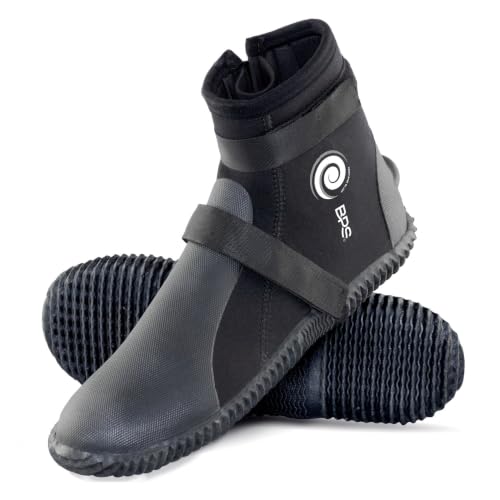
- 1TOP CHOICEBest overallBPS 7mm Neoprene Dive BootsView on Amazon
- 2
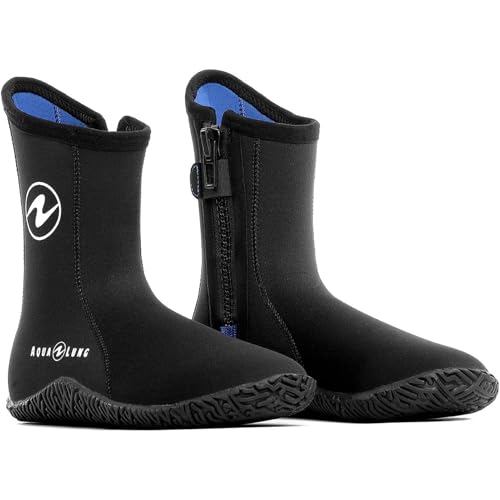 TOP CHOICEBest for cold waterAQUALUNG Unisex Echozip Dive BootsView on Amazon
- 3TOP CHOICEBest for warm-water snorkelingBPS 3mm Neoprene Water BootsView on Amazon
- 4
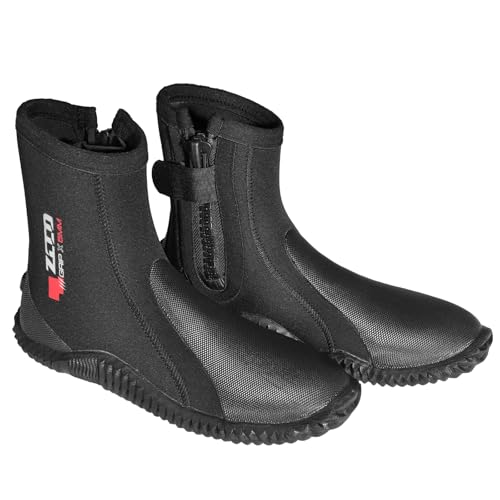 Best for a snug, low-bulk fitSkyone Dive Boots Men Women 5MMView on Amazon
- 5Best budget pickBPS 3mm Neoprene Dive BootsView on Amazon
- 6
 Best for heavy-duty shore entriesAQUALUNG Unisex Superzip Dive BootsView on Amazon
Our Top Picks
| Product | Best for | Key feature |
|---|---|---|
| BPS 7mm Neoprene Dive Boots | Cold water diving | Thick 7mm neoprene |
| AQUALUNG Unisex Echozip Dive Boots | Cold water with fins | Slip-resistant treaded sole |
| BPS 3mm Neoprene Water Boots | Warm-water snorkeling | Slip-on, rubberized sole |
| Skyone Dive Boots Men Women 5MM | Snug, low-bulk fit | Zipper with anti-slip sole |
| BPS 3mm Neoprene Dive Boots | Budget-minded divers | Light, easy slip-on design |
| AQUALUNG Unisex Superzip Dive Boots | Rocky shore entries | 8mm thick treaded sole |
BPS 7mm Neoprene Dive Boots
BPS 7mm Neoprene Dive Boots – Size 11 Mens Deck Shoes Extra Wide: How to Find a Pair That Actually Fits goes further into this.
Best for: Cold water diving where warmth matters most.
This is a heavier boot for divers in cooler water who want full foot insulation. Owners often report that the thicker neoprene needs a roomier shoe size to fit comfortably.
Pros
- Thick 7mm neoprene for cold water
- Roomy build suits wide forefoots
Cons
- Bulky to pull on and off
AQUALUNG Unisex Echozip Dive Boots
AQUALUNG Unisex Echozip Dive Boots – Durable Warm Flexible Neoprene Scuba Diving Boots for Men & Women – Enhanced Protection, Slip-Resistant Treaded Sole & YKK Zippers, Black/Blue, 11, 5mm
Best for: Cold water diving with fins.
A good match for divers who want a warm, protective boot with a reliable grip on wet surfaces. It suits those who spend time moving between boat decks and shore entries.
Pros
- Slip-resistant treaded sole
- YKK zippers for easy closure
Cons
- Zipper can feel stiff when cold
BPS 3mm Neoprene Water Boots
BPS 3mm Neoprene Water Boots – Dive Boots with Rubberized Antislip Sole for Swim Fins Watersports Rafting SUP Kayaking Surfing – High Cut Dive Shoes Slip on-and-Off Design (Size 8)
Best for: Warm-water snorkeling.
A light, flexible option for divers in warm water who mostly need foot protection on hot sand and sharp reef edges. It works well as a second pair for tropical trips.
Pros
- Easy slip-on design
- Rubberized antislip sole
Cons
- Not warm enough for cold water
Skyone Dive Boots Men Women 5MM
Skyone Dive Boots Men Women, 5MM Tall Wetsuit Neoprene Booties, Scuba Shoes with Anti-Slip Rubber Sole and Zipper, Surf Booties Warm for Sailing Snorkeling Surfing Kayaking Water Sports
Best for: A snug, low-bulk fit.
Suited to divers who want a closer fit without a tight squeeze across the toes. Owners often describe it as a middle ground between thin water boots and heavy cold-water boots.
Pros
- Anti-slip rubber sole
- Zipper closure for a secure fit
Cons
- Width varies between owners, so check the size chart
BPS 3mm Neoprene Dive Boots
BPS 3mm Neoprene Dive Boots – Wet Suit Boots with Rubberized Anti-Slip Sole for Watersports Snorkeling Scuba Diving Wakeboarding Kayaking Canoeing – Slip on-and-Off Design (Size 6)
Best for: Budget-minded divers.
A straightforward, lightweight boot for divers who want basic foot protection without a larger investment. It is a practical choice for occasional use.
Pros
- Light and easy to pack
- Simple slip-on design
Cons
- Thin neoprene offers limited warmth
AQUALUNG Unisex Superzip Dive Boots
AQUALUNG Unisex Superzip Dive Boots – Warm Ergonomic Protective Neoprene Scuba Diving Boots with Non-Corrosive YKK Zippers, Elastic Cuff Binding & 8mm Thick Treaded Sole, Black/Blue, 11, 7mm
Best for: Rocky shore entries.
Built for divers who walk over broken rock and coral rubble before reaching the water. The thick sole and elastic cuff are the main reasons owners mention it for shore work.
Pros
- 8mm thick treaded sole
- Elastic cuff binding keeps water out
Cons
- Heavier than most options on this list
Buying Guide
Check the width, not just the length
Length is the usual sizing measure, but wide feet need a boot that is roomy across the ball of the foot. Measure your foot width in the morning, since feet swell slightly through the day, and compare it to the brand’s width notes.
FAQ
Do extra wide dive boots run larger than standard sizes?
Sizing varies by brand, so the printed size number alone does not tell you how much room the forefoot has. Check the width description and the product details before you order, and compare them against your own foot measurements. If you fall between sizes, consider the boot that gives more space across the toes and ball of the foot.
Should I wear a neoprene sock under my dive boots?
A thin neoprene sock can add warmth and reduce rubbing, but it also takes up space inside the boot. For wide feet, try the boot on with the sock you plan to use so you can judge the fit accurately. If the boot feels snug with the sock, size up or choose a model described as wider.
What thickness of neoprene is right for my water temperature?
Thinner neoprene, around 3mm, suits warm water and watersports where you want flexibility and quick drying. Thicker options, such as 5mm or 7mm, hold in more warmth for cold water diving, but they are stiffer and can feel tighter across wide feet. Match the thickness to the water you dive or paddle in most often.
Are zippers or slip-on designs better for wide feet?
Zipper closures can help secure a snug fit around the ankle and make the boot stay on during entries, while slip-on designs are quicker to pull off and on. A slip-on style with an elastic cuff is often easier for wide feet because it stretches more evenly. Choose based on whether you value security or speed of removal more.
Do dive boots work with swim fins?
Many dive boots are designed to be worn with full-foot or open-heel fins, but the fit with your specific fins matters. Check that the boot’s sole and heel area will slide into the fin pocket without bunching. A boot that is too tight across the forefoot can make fins uncomfortable, so the extra width helps here too.
How should dive boots fit when I try them on?
Dive boots should feel snug around the foot and ankle without any pinching across the forefoot or toes. Your toes should not be jammed against the front, and you should be able to wiggle them comfortably. Walk around in the boots if possible, since neoprene can feel different once you are standing and moving.
Conclusion
If you want the most room across the forefoot and a balanced mix of warmth and flexibility, the BPS 7mm and AQUALUNG Echozip are the strongest fits for colder water and wider feet. For warm-water snorkeling, paddling, or watersports, the thinner 3mm BPS options are lighter and easier to slip on and off.
Anglers and divers who want a durable, well-built boot with reliable zippers should look at the AQUALUNG Superzip or the Skyone tall booties, depending on how much ankle coverage and warmth they need. Whichever you choose, confirm the width and fit before ordering so your feet stay comfortable through every dive or paddle.
Related reading
- Zogg Dive Sticks Boots (2026): Which Should You Choose?
- Types of Dive Boots: Which Style Fits Reef and Shore Diving?
- Tusa Imprex vs Tilos TruFit: Which Low Top Dive Boots Should You Choose?
About Miles Sinclair
Miles Sinclair is part of our editorial team and reviews and edits our scuba diving gear guides, checking product details against manufacturer specifications and owner feedback.
About the author
Miles Sinclair writes reviews and buying guides for Scuba Lanai.