5 Best Cold Water Dive Boots for Cold-Water Diving (2026)
Find the best cold water dive boots for your diving. We compare five pairs by warmth, fit, sole grip and comfort so you can choose with confidence.
 By Miles Sinclair
Updated November 16, 2026
 By Miles Sinclair
Updated November 2026
Cold water dive boots protect your feet from chilly temperatures, sharp rocks and rough boat decks, and they keep your fins from rubbing blisters onto your heels. If you dive in water that drops into the 50s Fahrenheit, or you spend long surface intervals standing on a cold deck, a good pair makes a noticeable difference. This guide compares five cold water dive boots against the criteria that matter most: thickness of neoprene, fit and closure, sole grip, ease of pulling on over a wetsuit, and how well each design suits reef and shore entries.
Our top picks at a glance
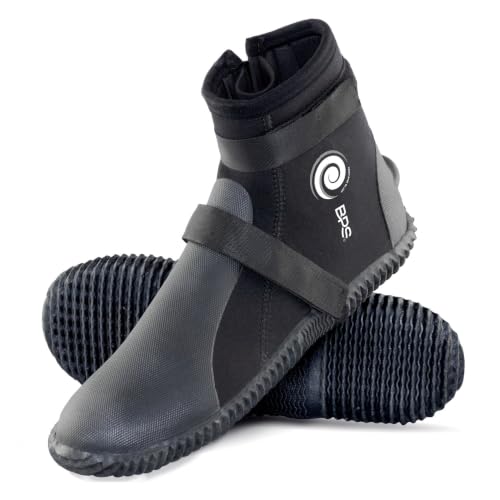
- 1TOP CHOICEBest overallBPS 3mm Neoprene Diving Boots (Size 7)View on Amazon
- 2TOP CHOICEBest for shore entriesBPS 3mm Neoprene Dive Boots (Size 6)View on Amazon
- 3TOP CHOICEBest for high-cut supportBPS 3mm Neoprene Water Boots (Size 8)View on Amazon
- 4
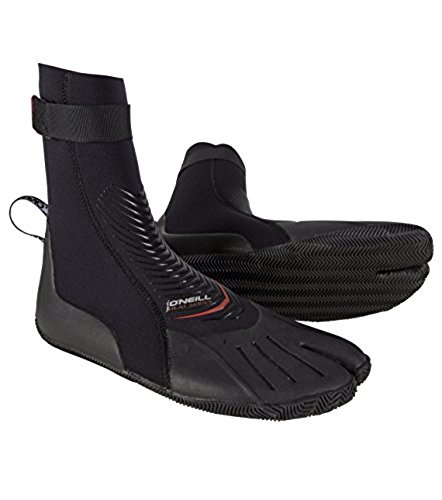 Best for cold-water comfortO'NEILL Heat 3mm Split Toe Neoprene BootView on Amazon
- 5
 Best budget pickNeoprene Dive Boots 3mm 5mm Water BootiesView on Amazon
Our Top Picks
Quick Comparison
| Product | Best for | Key feature |
|---|---|---|
| BPS 3mm Neoprene Diving Boots (Size 7) | General cold-water diving | Rubberized antislip sole, slip-on design |
| BPS 3mm Neoprene Dive Boots (Size 6) | Shore entries and rocky beaches | Rubberized anti-slip sole, snug slip-on fit |
| BPS 3mm Neoprene Water Boots (Size 8) | Ankle support with fins | High-cut shaft, fin-friendly sole |
| O’NEILL Heat 3mm Split Toe Neoprene Boot | Cold water comfort and multi-sport use | Split toe, textured rubber sole |
| Neoprene Dive Boots 3mm 5mm Water Booties | Budget-minded divers | Choice of 3mm or 5mm warmth, anti-slip sole |
BPS 3mm Neoprene Diving Boots (Size 7)
BPS 3mm Neoprene Diving Boots – Wetsuit Boots with Rubberized Antislip Sole for Watersports Snorkeling Scuba Diving Paddleboarding Kayaking Surfing Slip on-and-Off Design (Size 7)
Best for: General cold-water diving where you want a dependable all-round boot.
This is a sensible starting point for divers who enter from boats or mixed shore sites and want a boot that works with most wetsuit leg lengths. The slip-on design avoids the struggle of zippers and laces when your hands are cold.
Key specs
- 3mm neoprene upper
- Rubberized antislip sole
- Slip-on, slip-off design
- Size 7 listing
Pros
- Thickness suits most water temperatures down to the mid-50s °F when paired with a wetsuit
- Easy to pull on over a wet foot
- Sole grip helps on wet ladders and slippery boat decks
Cons
- Thin 3mm neoprene offers limited warmth for long dives in very cold water
- Fit can run snug, so check the size chart before ordering
Bottom line: A solid pick for divers who want a simple, no-fuss boot for regular cold-water trips. We also found Salt Water Dive Knife Guide: 6 Steps to Choose and Use One useful on this point.
View on AmazonBPS 3mm Neoprene Dive Boots (Size 6)
BPS 3mm Neoprene Dive Boots – Wet Suit Boots with Rubberized Anti-Slip Sole for Watersports Snorkeling Scuba Diving Wakeboarding Kayaking Canoeing – Slip on-and-Off Design (Size 6)
Best for: Shore entries over rocky or coral-rubble bottoms.
Divers who walk long distances over uneven surfaces will appreciate the grippy sole. This pick suits smaller feet, so it is a practical choice for divers with narrow footwear sizing.
Key specs
- 3mm neoprene construction
- Rubberized anti-slip sole
- Slip-on design
- Size 6 listing
Pros
- Good traction on wet rock and sand
- Lightweight, which helps during long walks to the entry point
- Easy to put on and remove
Cons
- Limited insulation compared with 5mm options
- Sizing runs close, so measure your foot before buying
Bottom line: A good match for shore divers with smaller feet who prioritize grip over extra warmth.
View on AmazonBPS 3mm Neoprene Water Boots (Size 8)
BPS 3mm Neoprene Water Boots – Dive Boots with Rubberized Antislip Sole for Swim Fins Watersports Rafting SUP Kayaking Surfing – High Cut Dive Shoes Slip on-and-Off Design (Size 8)
Best for: Divers who want a higher cut for ankle coverage and stability.
The high-cut shaft helps keep sand and grit out, and it gives a bit more ankle support when you walk in fins or wade through surf.
Key specs
- 3mm neoprene
- High-cut shaft
- Rubberized antislip sole
- Size 8 listing
Pros
- Higher cut covers the ankle better than low-profile boots
- Works with most fin strap styles
- Sole suits surf entries and boat decks
Cons
- Tall shaft can feel bulky under a tight wetsuit leg
- 3mm thickness is best for moderate cold rather than very cold water
Bottom line: Pick this one if ankle coverage matters more to you than a low profile.
View on AmazonO’NEILL Heat 3mm Split Toe Neoprene Boot
O'NEILL Heat 3mm Split Toe Neoprene Boot, Black, 6 | Textured Rubber Sole for Cold Water Surfing, Paddleboarding, Snorkeling, and Any Water Activities
Best for: Cold water comfort and divers who also surf or paddle.
O’Neill is a long-established name in cold-water wetsuit gear, and this boot is built for people who move between water sports. The split toe is designed for comfort and flexibility.
Key specs
- 3mm neoprene
- Split toe design
- Textured rubber sole
- Size 6 listing
Pros
- Split toe gives a more natural foot feel
- Textured sole grips well on wet surfaces
- Brand reputation in cold-water sports
Cons
- Split toe may not suit everyone who prefers a standard boot shape
- Thickness is modest for very cold dives
Bottom line: A strong option for divers who want comfort and a brand known for cold-water gear.
View on AmazonNeoprene Dive Boots 3mm 5mm Water Booties
Neoprene Dive Boots 3mm 5mm Water Booties Anti Slip Rubber Sole | Warm neoprene dive boots, foot protection and steady grip for scuba, snorkeling, surfing, kayaking and beach
Best for: Budget-minded divers who want the option of extra warmth.
The listing covers both 3mm and 5mm neoprene, which makes it a flexible pick if your diving spans different seasons. It targets scuba, snorkeling and beach use alike.
Key specs
- 3mm or 5mm neoprene (check the listing for the version you select)
- Anti-slip rubber sole
- Booties suited to scuba and snorkeling
Pros
- Thickness options cover a wider temperature range
- Anti-slip sole for wet entries
- Good value for occasional divers
Cons
- Owners often report that sizing varies between versions
- Build quality may not match premium brands over heavy use
Bottom line: A practical budget choice for divers who want thickness flexibility without a large outlay.
View on AmazonBuying Guide
Neoprene Thickness
Thickness is the main factor in warmth. Many divers use 3mm boots in mild cold water and move to 5mm when temperatures fall into the 50s °F or below. Remember that boots work alongside your wetsuit, so a cold-water wetsuit with boots gives better overall warmth than either alone.
Good picks for this: Neoprene Dive Boots 3mm 5mm Water Booties, BPS 3mm Neoprene Diving Boots (Size 7)
Sole Grip and Traction
A rubberized, textured sole helps on wet ladders, rocks and boat decks. Look for a sole that stays grippy when wet and does not feel slick on smooth surfaces.
Good picks for this: BPS 3mm Neoprene Dive Boots (Size 6), O’NEILL Heat 3mm Split Toe Neoprene Boot
Fit and Sizing
Boots should fit snugly without pinching. Measure your foot length and compare it to the manufacturer’s chart, since neoprene stretches slightly when wet. Check the sizing carefully before buying, because many owners report that size labels vary between brands. Our guide on how dive boots should fit covers this in more depth.
Good picks for this: BPS 3mm Neoprene Water Boots (Size 8), BPS 3mm Neoprene Diving Boots (Size 7)
Closure and Ease of Entry
Slip-on designs are quick to put on and avoid zipper failure, but they can be harder to pull over a wet foot. Some divers prefer zippered or lace-up styles for a tighter lock-in. Consider how you will be dressing on a cold morning when your hands are numb.
Good picks for this: BPS 3mm Neoprene Diving Boots (Size 7), BPS 3mm Neoprene Water Boots (Size 8)
Shaft Height and Ankle Support
Higher shafts cover the ankle and help keep sand out, while low-cut boots give more freedom of movement. Choose based on whether you dive mainly from boats or walk long distances over rough ground.
Good picks for this: BPS 3mm Neoprene Water Boots (Size 8), BPS 3mm Neoprene Dive Boots (Size 6)
Toe Design
Split-toe designs offer flexibility and a more natural foot feel, which some divers prefer for fin work. Standard closed-toe boots provide a more uniform fit. Pick the style that feels comfortable during a long surface interval.
Good picks for this: O’NEILL Heat 3mm Split Toe Neoprene Boot
Durability and Care
Rinse boots in fresh water after every dive, dry them out of direct sun, and avoid storing them compressed. Neoprene breaks down faster when exposed to oils, sunscreen residue and heat. Regular care extends the life of any pair.
Good picks for this: Neoprene Dive Boots 3mm 5mm Water Booties, BPS 3mm Neoprene Diving Boots (Size 7)
FAQ
What thickness do I need for cold water dive boots?
Many divers use 3mm boots in cool water and 5mm boots in colder conditions. Your wetsuit thickness and dive duration also affect comfort, so consider the whole system.
Can I wear dive boots with fins?
Yes. Most divers wear boots with full-foot fins, and choosing a boot with a fin-friendly fit helps prevent heel rubbing. Check that the boot slides into your fin pocket without pinching.
How tight should dive boots fit?
They should feel snug with no pinching or loose slipping. Neoprene stretches when wet, so a fit that feels right on land may loosen slightly in the water.
Do I need boots with a split toe?
No. Split-toe boots suit divers who prefer flexibility, but standard closed-toe designs work well for most people. Try both styles if you can.
How do I care for cold water dive boots?
Rinse them in fresh water after each dive, dry them away from direct sun and heat, and store them flat or loosely rolled. Avoid contact with petroleum products.
Are cheaper dive boots worth buying?
Budget boots can serve occasional divers well. Owners often report that heavier use shows wear sooner, so consider how often you dive when deciding.
Conclusion
For general cold-water diving, the BPS 3mm Neoprene Diving Boots (Size 7) is a dependable all-round choice. Shore divers with smaller feet may prefer the BPS 3mm Neoprene Dive Boots (Size 6), while those who want ankle coverage should look at the high-cut BPS 3mm Neoprene Water Boots (Size 8). The O’NEILL Heat 3mm Split Toe Neoprene Boot suits divers who value comfort and a brand known for cold-water gear, and the Neoprene Dive Boots 3mm 5mm Water Booties offer thickness flexibility for occasional divers. Match the boot to your water temperature, entry style and fit, and measure before ordering.
Sources
- Water temperature and ocean conditions that affect cold-water diving (noaa.gov)
- Workplace guidance on protective footwear and wet-surface slip hazards (osha.gov)
- Cold stress and hypothermia prevention for outdoor water activities (cdc.gov)
Related reading
- Tilos TruFit Dive Boots Review: Who Is It For?
- Size 15 Dive Boots: How to Find a Fit That Works for Reef Diving
- Mares Trilastic 5mm Dive Boots: Fit, Warmth and Buying Tips
- Mares 2mm Equator Dive Boots: Fit, Warmth and Buying Guide
About Miles Sinclair
Miles Sinclair is part of our editorial team and reviews and edits our scuba diving gear guides, checking product details against manufacturer specifications and owner feedback.
About the author
Miles Sinclair writes reviews and buying guides for Scuba Lanai.