6 Best Body Glove Dive Boots for Reef and Boat Diving (2026)
Compare 6 body glove dive boots for reef and boat diving, covering neoprene thickness, sole grip, zippers and fit, so you can choose the right pair.
 By Miles Sinclair
Updated November 11, 2026
 By Miles Sinclair
Updated November 2026
Choosing body glove dive boots comes down to a few practical questions: how warm you need to stay, how well the sole grips a wet boat deck or rocky shoreline, whether the boot will fit comfortably over a fin strap, and how easily it pulls on and off. This list compares six boots from the Body Glove line and a few closely related neoprene options, judged on neoprene thickness, sole design, closure type, fit consistency and owner feedback patterns.
Our top picks at a glance
- 1TOP CHOICEBest overallBody Glove 3mm Phoenix Round Toe Wetsuit Boots – Black/Men's 10 Women's 11View on Amazon
- 2
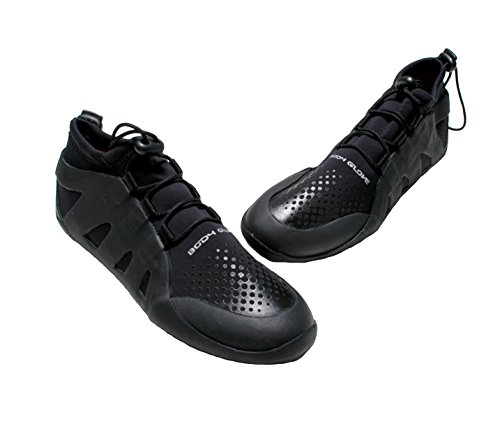 TOP CHOICEBest for warm water reef divesBody Glove Wetsuit 2 mm Future Shock II Round Toe Boots, 7View on Amazon
- 3
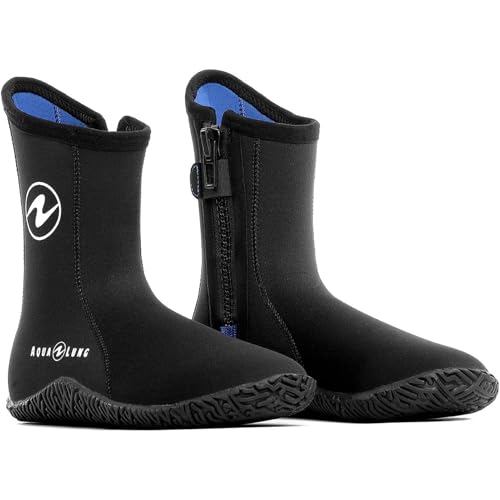 TOP CHOICEBest for cold water and boat decksAQUALUNG Unisex Echozip Dive Boots – Durable Warm Flexible Neoprene ScView on Amazon
- 4
 Best for shore entries with rough footingCoreskin 3mm Neoprene Dive Boots with Anti-Slip Rubber Sole(PP-USM14W1View on Amazon
- 5
 Best budget pickSkyone Neoprene Dive Boots Men Women, Surf Booties Scuba Diving BootsView on Amazon
- 6
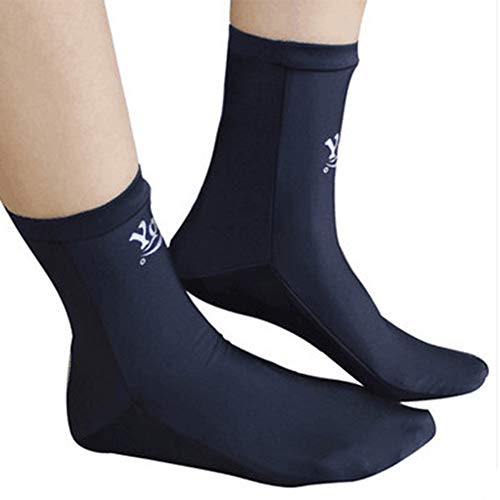 Best thin-layer optionJanedream Water Sports Swimming Dive Socks Neoprene Diving Swimming Fin Boot Socks, BlackView on Amazon
Our Top Picks
Quick Comparison
| Product | Best for | Key feature |
|---|---|---|
| Body Glove 3mm Phoenix Round Toe Wetsuit Boots | All-around reef and boat diving | 3mm neoprene with round toe shape |
| AQUALUNG Unisex Echozip Dive Boots | Cooler water and boat decks | 5mm neoprene with YKK zipper |
| Coreskin 3mm Neoprene Dive Boots with Anti-Slip Rubber Sole | Shore entries on rocks and wet concrete | Anti-slip rubber outsole |
| Body Glove Wetsuit 2 mm Future Shock II Round Toe Boots | Warm water and minimal bulk | 2mm neoprene for flexibility |
| Skyone Neoprene Dive Boots Men Women, Surf Booties Scuba Diving Boots 5MM | Budget-minded divers needing warmth | 5mm neoprene with premium rubber sole |
| Janedream Water Sports Swimming Dive Socks Neoprene Diving Swimming Fin Boot Socks | Warm water and fin-compatible comfort | Thin neoprene sock style that fits inside fins |
Body Glove 3mm Phoenix Round Toe Wetsuit Boots – Black/Men’s 10 Women’s 11
Body Glove 3mm Phoenix Round Toe Wetsuit Boots – Black/Men's 10 Women's 11
Best for: All-around reef and boat diving with a balance of warmth and flexibility
This is a sensible starting point for divers who dive mixed conditions and want one pair that works from a boat deck to a sandy shore entry. The 3mm thickness is a common choice for tropical water and temperate summer dives.
Key specs
- 3mm neoprene construction (per listing)
- Round toe design (per listing)
- Black colorway, listed sizing for men’s 10 and women’s 11
Pros
- Thickness suits most warm to mild water dives
- Round toe shape tends to feel natural and roomy for many fit profiles
- Brand familiarity makes size charts easier to compare
Cons
- Thinner than 5mm options for cold water
- Sole grip on wet surfaces is generally less aggressive than dedicated deck-style soles
Bottom line: A solid general-purpose pick for divers who want one boot for reef and boat use in moderate water temperatures.
View on AmazonAQUALUNG Unisex Echozip Dive Boots – Durable Warm Flexible Neoprene Scuba Diving Boots for Men & Women
AQUALUNG Unisex Echozip Dive Boots – Durable Warm Flexible Neoprene Scuba Diving Boots for Men & Women – Enhanced Protection, Slip-Resistant Treaded Sole & YKK Zippers, Black/Blue, 11, 5mm
Best for: Cooler water and boat decks where extra warmth matters
Divers who regularly enter cool water or spend long surface intervals on a boat will likely appreciate the heavier neoprene. The listing emphasizes protection and slip resistance, which suits deck use.
Key specs
- 5mm neoprene (per listing)
- YKK zippers (per listing)
- Slip-resistant treaded sole (per listing)
- Unisex sizing for men and women
Pros
- 5mm thickness provides more warmth for cooler dives
- Zipper closure is generally easier to put on than pull-on styles
- Treaded sole supports footing on wet decks
Cons
- Heavier and bulkier than 2mm or 3mm boots, which can affect fin fit
- Warmth can feel excessive in tropical water
Bottom line: Choose this if your diving regularly involves water below the low 70s°F or long surface time on boats.
View on AmazonCoreskin 3mm Neoprene Dive Boots with Anti-Slip Rubber Sole | Versatile Water Sports Boots, Black
Coreskin 3mm Neoprene Dive Boots with Anti-Slip Rubber Sole(PP-USM14W15001) | Versatile Water Sports Boots for Scuba Diving, Snorkeling, Kayaking, Wakeboarding & Beach Use, Black
Best for: Shore entries over rocks, coral rubble and wet concrete
Shore divers who scramble over uneven ground benefit most from a rubberized outsole. The 3mm build keeps the boot light enough for fin use while still offering some protection.
Key specs
- 3mm neoprene (per listing)
- Anti-slip rubber sole (per listing)
- Black colorway
Pros
- Rubber sole offers better traction on rocks and wet surfaces
- Versatile use for snorkeling, kayaking and beach activities
- Moderate thickness keeps the boot manageable
Cons
- Sizing can run inconsistent across owner reports, so check the chart carefully
- Less insulation than the 5mm options for cold water
Bottom line: A strong pick for divers whose entries involve rough footing more than cold water.
View on AmazonBody Glove Wetsuit 2 mm Future Shock II Round Toe Boots, 7
Body Glove Wetsuit 2 mm Future Shock II Round Toe Boots, 7
Best for: Warm water reef dives where bulk and fin fit matter most
A 2mm boot is the lightest of this group. Divers in warm tropical water who want minimal bulk and good ankle flexibility for kicking tend to prefer this thickness.
Key specs
- 2mm neoprene (per listing)
- Round toe design (per listing)
- Listed size 7
Pros
- Thin neoprene keeps the boot flexible and low in profile
- Good fit option for fin straps and tight-fitting fins
- Simple, familiar Body Glove styling
Cons
- Offers little warmth beyond warm tropical water
- Thin material may be less durable on sharp rock entries
Bottom line: Best reserved for warm-water reef divers who want the least bulk possible.
View on AmazonJanedream Water Sports Swimming Dive Socks Neoprene Diving Swimming Fin Boot Socks, Black
Janedream Water Sports Swimming Dive Socks Neoprene Diving Swimming Fin Boot Socks, Black
Best for: Thin-layer fin comfort in warm water
Dive socks are a different category from full dive boots. They slip inside fins and protect the foot from chafing, rather than providing sole protection on rough ground. They suit divers who mostly enter from a boat or a clean beach.
Key specs
- Neoprene sock construction (per listing)
- Black colorway
- Designed for use inside swim fins
Pros
- Very low bulk, which helps with tight fins
- Protects against fin chafe and mild water chill
- Easy to pack in a dive bag
Cons
- No rugged sole, so not suitable for rocky shore entries
- Limited warmth compared with full boots
Bottom line: A good accessory for warm-water boat divers, though it is not a substitute for a protective boot.
View on AmazonSkyone Neoprene Dive Boots Men Women, Surf Booties Scuba Diving Boots 5MM (Black, Mens 6 / Womens 7)
Skyone Neoprene Dive Boots Men Women, Surf Booties Scuba Diving Boots 5MM, Wetsuit Booties Scuba Shoes with Anti-Slip Premium Rubber Sole for Sailing Snorkeling Boating (Black, Mens 6 / Womens 7)
Best for: Budget-minded divers who need warmth and a grippy sole
This option suits divers who want 5mm warmth and a premium-style rubber sole without choosing a well-known premium brand. Fit consistency should be checked against the size chart before buying.
Key specs
- 5mm neoprene (per listing)
- Anti-slip rubber sole (per listing)
- Unisex sizing, listed as men’s 6 / women’s 7
Pros
- 5mm thickness for cooler water
- Rubber sole supports footing on wet surfaces
- Budget-friendly style for occasional divers
Cons
- Owner feedback on stitching durability is mixed in some reports
- Less brand history to compare sizing against
Bottom line: A reasonable choice for occasional divers in cooler water who want warmth without a premium spend.
View on AmazonBuying Guide
Neoprene Thickness
Thickness drives warmth and bulk. Thin 2mm boots suit warm water, 3mm fits mild to tropical conditions, and 5mm suits cooler dives. Thicker boots can make fin fit tight, so check whether your fins still slide on comfortably with the boot on.
Good picks for this: Body Glove Wetsuit 2 mm Future Shock II Round Toe Boots, AQUALUNG Unisex Echozip Dive Boots
Sole Design and Grip
Rubber soles with a tread pattern give better footing on wet concrete, boat decks and rocks. Smooth soles can be slippery. Look for descriptions of anti-slip or treaded rubber outsoles.
Good picks for this: Coreskin 3mm Neoprene Dive Boots with Anti-Slip Rubber Sole, Skyone Neoprene Dive Boots Men Women
Closure Type
Zippers, usually YKK or similar, make boots quicker to put on and take off. Pull-on styles are simpler but can be harder to get over a wet foot. Consider how often you suit up and how easily you need to get in and out.
Good picks for this: AQUALUNG Unisex Echozip Dive Boots, Body Glove 3mm Phoenix Round Toe Wetsuit Boots
Fit and Sizing
Dive boots should be snug without cutting off circulation, and they must fit with fins on. Sizing varies between brands and models, so always consult the specific size chart. A boot that fits over a thin sock may feel tight with a thicker one. Our guide on How Should Dive Boots Fit? covers this in more detail. Owner feedback on sizing for some models is mixed, so trying a pair on before a trip is worth the effort.
Good picks for this: Body Glove 3mm Phoenix Round Toe Wetsuit Boots, Janedream Water Sports Swimming Dive Socks
Use Case
Match the boot to where you dive. Boat divers mainly need comfort and deck grip. Shore divers need protection from rocks and sharp entries. Warm-water divers can prioritize flexibility, while cold-water divers need thickness.
Good picks for this: Coreskin 3mm Neoprene Dive Boots with Anti-Slip Rubber Sole, Janedream Water Sports Swimming Dive Socks Neoprene Diving Swimming Fin Boot Socks
Durability and Construction
Check for reinforced stitching, bonded seams and reinforced heel or toe areas if you expect hard use. Thin neoprene can tear more easily on sharp rock. Owner reports often point to seam failure as the most common complaint, so inspect seams after each dive.
Good picks for this: AQUALUNG Unisex Echozip Dive Boots, Coreskin 3mm Neoprene Dive Boots with Anti-Slip Rubber Sole
Care and Maintenance
Rinse boots in fresh water after every dive, dry them out of direct sunlight, and turn them inside out to dry fully. Salt left in neoprene can break down the material over time. Store them flat or hung rather than folded tightly.
Good picks for this: Body Glove Wetsuit 2 mm Future Shock II Round Toe Boots, Body Glove 3mm Phoenix Round Toe Wetsuit Boots
FAQ
What thickness of body glove dive boots should I choose?
For warm tropical water, 2mm to 3mm usually works well. For water in the 60s°F or cooler, 5mm gives noticeably more warmth. Match the thickness to your water temperature and how long you stay in.
Do body glove dive boots fit over fins?
Many do, but thicker boots can make fin fit tight. Try the boot with your fins on before a trip. Dive socks are a lighter alternative if fit is a problem.
Are dive boots necessary for shore diving?
They are strongly recommended for shore entries over rocks, coral rubble or rough concrete. They protect feet from cuts and help with footing. Boat diving needs them less, though they still help on wet decks.
How should I clean and store dive boots?
Rinse with fresh water after every dive, dry out of direct sun, and turn inside out to dry. Store them loosely rather than folded tightly. Salt and sun exposure shorten neoprene life.
Can I use dive socks instead of full dive boots?
Dive socks suit boat diving and warm water because they are thin and easy to pack. They offer little sole protection, so they are not a good choice for rocky or sharp entries.
How do I know if the size is right?
Measure your foot and compare it to the specific brand’s size chart, since sizing differs between manufacturers. The boot should feel snug without pinching, and your toes should not be crowded when fins are on. If you are between sizes, consult the manufacturer’s guidance. For personal fit questions, a dive shop professional can help.
Should I buy the thickest boots for safety?
Thickness is about warmth, not protection from injury in most cases. Overly thick boots can reduce comfort and fin fit. Choose based on water temperature and entry conditions rather than assuming thicker is always better.
Conclusion
For most divers, the Body Glove 3mm Phoenix Round Toe Wetsuit Boots offers a balanced all-around option. Choose the AQUALUNG Unisex Echozip Dive Boots for cooler water and boat decks, and the Coreskin 3mm Neoprene Dive Boots with Anti-Slip Rubber Sole for rough shore entries. The Body Glove 2mm Future Shock II suits warm reef diving where bulk matters most. The Skyone 5mm option is a budget-minded choice for cooler dives, and the Janedream dive socks work as a thin accessory for fin comfort. Always verify sizing against the current size chart before ordering, and check owner feedback on the specific model you are considering.
Sources
- Consumer product safety guidance on protective footwear and product recalls (cpsc.gov)
- Information on marine environments and conditions relevant to shore entries (nps.gov)
- Ocean and water temperature data for planning cold-versus-warm water dive gear (noaa.gov)
Related reading
- Tilos TruFit Dive Boots Review: Who Is It For?
- Size 15 Dive Boots: How to Find a Fit That Works for Reef Diving
- Mares Trilastic 5mm Dive Boots: Fit, Warmth and Buying Tips
About Miles Sinclair
Miles Sinclair is part of our editorial team and reviews and edits our scuba diving gear guides, checking product details against manufacturer specifications and owner feedback.
About the author
Miles Sinclair writes reviews and buying guides for Scuba Lanai.