Top 6 Best Mid Range Scuba Regulator Picks Compared (2026)
Find the best mid range scuba regulator for reef and boat diving. We compare seven picks on cold-water performance, breathing ease, and serviceability.
 By Claire Whitaker
Updated November 21, 2026
 By Claire Whitaker
Updated November 2026
Choosing the best mid range scuba regulator means balancing breathing performance, durability, and service support without paying for features most recreational divers never use. This list compares seven widely sold regulator systems and single stages, judged on airflow, cold-water performance, port layout, weight, and how easily a local shop can service them. Listings and manufacturer specifications were our research base, along with patterns in owner feedback.
At a glance:
Our top picks at a glance
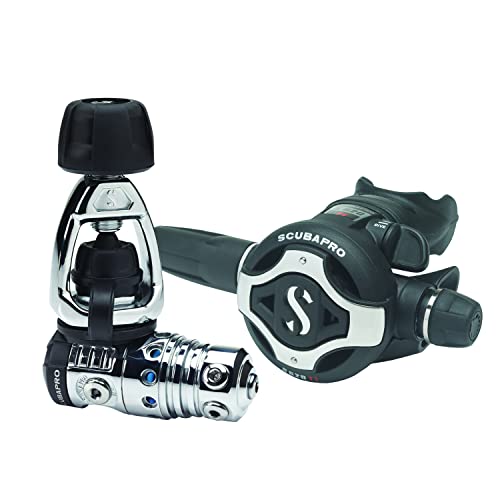
- 1TOP CHOICEBest overallSCUBAPRO MK25 EVO/S620Ti Dive Regulator SystemView on Amazon
- 2
 TOP CHOICEBest for compact travelCRESSI Octopus Compact for Scuba Diving RegulatorsView on Amazon
- 3
 TOP CHOICEBest for shallow surface-supplied useXS Scuba Hookah Second Stage RegulatorView on Amazon
- 4
 Best for a budget-minded first stageFirst Stage Scuba Regulator, Chrome Plated Brass 5-PortView on Amazon
- 5
 Best for a lightweight octopusMares Rover Scuba Diving Compact 2nd Stage Octopus RegulatorView on Amazon
- 6
 Best for pony bottle and deco setupsDXDiver Yoke Piston First Stage Regulator FS-810View on Amazon
- 7
 Best for cold-water divingOceanic Delta 5 2nd Stage Only | Breathing Regulator for Scuba DivingView on Amazon
Our Top Picks
Quick Comparison
| Product | Best for | Key feature |
|---|---|---|
| SCUBAPRO MK25 EVO/S620Ti | Overall performance | Balanced, adjustable airflow |
| CRESSI Octopus Compact | Compact travel | Small, light, Italian-made |
| XS Scuba Hookah Second Stage | Shallow surface-supplied use | 50–80 PSI range |
| First Stage Scuba Regulator | Budget first stage | Chrome plated brass, 5-port |
| Mares Rover Compact 2nd Stage | Lightweight octopus | Compact second stage design |
| DXDiver Yoke Piston FS-810 | Pony bottle and deco | Yoke piston first stage |
| Oceanic Delta 5 2nd Stage | Cold-water diving | Cold-water breathing performance |
SCUBAPRO MK25 EVO/S620Ti Dive Regulator System
SCUBAPRO MK25 EVO/S620Ti Dive Regulator System for Scuba Diving, INT
Best for: Overall performance
This is a well-known regulator system for divers who want a dependable setup that can grow with their training and dive sites.
Pros
- Balanced airflow across a range of depths
- Widely serviced by dive shops
Cons
- Heavier than travel-focused alternatives
CRESSI Octopus Compact for Scuba Diving Regulators
CRESSI Octopus Compact for Scuba Diving Regulators – Compact, Reliable, Light and Comfortable – Made in Italy
Best for: Compact travel
Suited to divers packing gear for flights or boat trips who want a compact, lightweight second stage.
Pros
- Small footprint for travel bags
- Made in Italy with a reputation for solid build
Cons
- Designed as a backup, not a primary regulator
XS Scuba Hookah Second Stage Regulator
XS Scuba Hookah Second Stage Regulator – 50-80 PSI
Best for: Shallow surface-supplied use
Best for divers working in shallow water with a surface air supply, where the 50–80 PSI rating fits the setup.
Pros
- Clear pressure range listed by the manufacturer
- Straightforward design for surface-supplied use
Cons
- Not intended for standard tank diving
First Stage Scuba Regulator, Chrome Plated Brass 5-Port
First Stage Scuba Regulator, Chrome Plated Brass 5-Port for Diving Gear | Chrome plated brass 1st stage regulator, 5-port design. Stable airflow, fits standard scuba tanks. Lightweight and durable.
Best for: Budget-minded first stage
A practical option for divers building a setup on a tighter budget who need a standard five-port first stage.
Pros
- Five ports for accessory hoses
- Chrome plated brass body listed for durability
Cons
- Less brand support than major manufacturers
Mares Rover Scuba Diving Compact 2nd Stage Octopus Regulator
Mares Rover Scuba Diving Compact 2nd Stage Octopus Regulator
Best for: Lightweight octopus
Fits divers who want a backup second stage that stays out of the way clipped to a BCD.
Pros
- Compact and light for stowing on a BCD
- Recognizable brand with broad service network
Cons
- Best as a secondary, not a primary regulator
DXDiver Yoke Piston First Stage Regulator FS-810
DXDiver Yoke Piston First Stage Regulator FS-810 Underwater World Scuba Diving Equipment Diving Scuba Gear Pony Bottle Underwater Apparatus Deco Stage
Best for: Pony bottle and deco setups
Aimed at divers adding a pony bottle or stage cylinder who want a yoke-style piston first stage.
Pros
- Yoke piston design suited to pony bottles
- Listed for deco and stage applications
Cons
- Requires careful matching with existing cylinder valves
Buying Guide
Breathing Performance and Airflow
A good mid range regulator should deliver air easily at depth and under exertion, without the second stage feeling hard to pull. Look at how a regulator is described for stable airflow and cold-water performance, since those traits matter most when you are working hard or diving in cooler water.
Port Layout and Configuration
Count the high-pressure and low-pressure ports you need before buying. Many recreational divers want a balanced setup with a primary second stage, an octopus, and a gauge or inflator connection, while technical or deco divers often need extra ports for pony bottles and redundant gas.
Weight, Size, and Travel Convenience
Heavier chrome-plated or brass first stages feel solid but add bulk to your gear bag. If you travel often or dive from small boats, a compact second stage or lightweight first stage can make setup and transport noticeably easier.
Serviceability and Local Support
Regulators need regular servicing, usually at least once a year, and parts availability varies by brand. Before buying, check whether a nearby dive shop can service the model and whether replacement parts are readily available.
FAQ
Is a mid range regulator good enough for recreational diving?
Yes, a well-maintained mid range regulator handles recreational diving comfortably and offers reliable breathing performance. Premium models mainly add refinements that most recreational divers will not notice in typical conditions.
How often should a scuba regulator be serviced?
Most manufacturers and dive professionals recommend servicing a regulator about once a year or after roughly 100 dives, whichever comes first. Regular service keeps seals, valves, and springs working properly and helps prevent free-flow or breathing problems.
Can I use a hookah or surface-supplied second stage for regular scuba diving?
Hookah and surface-supplied regulators are designed for air delivered from the surface, not for tank-based scuba. Using one on a standard scuba tank is not appropriate, so match the regulator type to how you actually dive.
Do I need a cold-water rated regulator?
If you dive in water much below about 50°F, a regulator with good cold-water performance can help reduce the risk of freeflow and icing. Warm-water divers can usually choose based on other factors like weight and port layout.
What is the difference between a first stage and a second stage?
The first stage reduces high tank pressure to a usable intermediate pressure and attaches to the tank valve. The second stage delivers air on demand when you inhale through the mouthpiece.
Conclusion
Divers who want a dependable all-around setup with strong performance and wide service support should consider the SCUBAPRO MK25 EVO/S620Ti. Those who prioritize a compact, lightweight second stage for travel or as a backup will find the CRESSI Octopus Compact and Mares Rover well suited to that role.
For specialized needs, such as shallow surface-supplied diving or extra ports for pony bottles and deco gas, the XS Scuba Hookah, DXDiver FS-810, and chrome-plated 5-port first stage each fill a narrower niche. Match the regulator to your diving style, water temperature, and local servicing options, and you will get the most value from your purchase.
Related reading
- Double Hose Scuba Regulator for Sale: 5 Best Picks Compared (2026)
- 7 Best Value Scuba Regulators for Reef and Shore Diving (2026)
- 7 Best Scuba Regulator Repair Kits for Home Maintenance (2026)
- 7 Best Mares Scuba Regulator Packages for Beginners and Reef Divers (2026)
- 6 Best Scuba Regulator Sets for Reef and Shore Diving (2026)
- 6 Best Scuba Diving Equipment Regulator Picks for Reef Diving (2026)
About Claire Whitaker
Claire Whitaker is part of our editorial team and reviews and edits our scuba diving gear guides, checking product details against manufacturer specifications and owner feedback.
About the author
Claire Whitaker writes reviews and buying guides for Scuba Lanai.