Vaseline to Seal Dive Mask: 3 Best Picks for Reef Divers (2026)
Thinking about using Vaseline to seal your dive mask? Compare three practical picks, see who each suits, and learn when a dedicated sealer works better.
 By Miles Sinclair
Updated November 10, 2026
 By Miles Sinclair
Updated November 2026
If you have ever stood at the edge of a boat and watched your mask fog or leak before you even hit the water, you know how much a reliable seal matters. Many divers reach for vaseline to seal dive mask problems because it is cheap, familiar and usually sitting in the bathroom cabinet. This guide looks at three products that serve the same purpose, judged on how well they bond to silicone and tempered glass, how long they last between dives, how easy they are to apply on a shore entry, and how safe they are for the skirt material. Petroleum jelly has a place in the kit, but it is not always the best tool for the job.
Our top picks at a glance
- 1TOP CHOICEBest overallMarine sports Snorkeling and Scuba Diving Mask Sealer and Mustache WaxView on Amazon
- 2
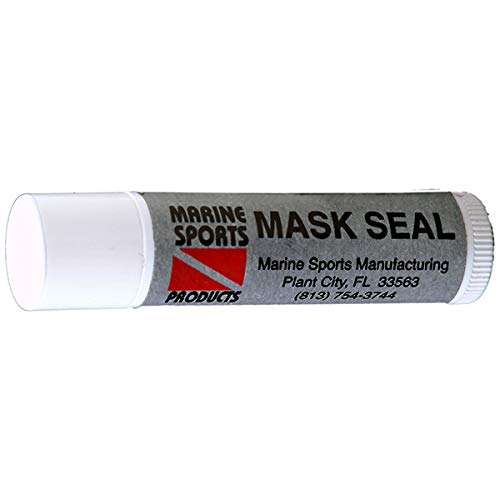
 Best for shore divers who want a simple wipe-on routineMask SealView on Amazon
- 3
 Best for freedivers and low-volume mask ownersProfessional Wet Low Volume Freediving Mask (M1-Black)View on Amazon
Our Top Picks
The table below summarizes how the three options compare on the criteria that matter most to a reef or boat diver.
| Product | Best for | Key feature |
|---|---|---|
| Marine sports Snorkeling and Scuba Diving Mask Sealer and Mustache Wax | Divers who want a dedicated, reef-safe seal | Formulated as a mask sealer rather than a general petroleum product |
| Mask Seal | Shore divers and snorkelers on a simple routine | Quick application with a clear, wipe-on approach |
| Professional Wet Low Volume Freediving Mask (M1-Black) | Freedivers and spearfishers with low-volume masks | Low-volume, tempered glass design built for a tight seal |
Marine sports Snorkeling and Scuba Diving Mask Sealer and Mustache Wax
Marine sports Snorkeling and Scuba Diving Mask Sealer and Mustache Wax
Best for: Divers who want a dedicated sealing product instead of improvising with petroleum jelly.
This is the choice for divers who want to skip the guesswork. It is designed specifically for applying to the inside of the mask skirt and the lens edge, so you are not relying on a household product that was never meant to sit against a dive mask for hours. It suits recreational reef divers who dive several times a week and want a repeatable routine.
Key specs
- Sold as a mask sealer and mustache wax for snorkeling and scuba diving
- Applied to the inside of the lens and skirt before entry
Pros
- Designed specifically for mask sealing, not a general-purpose lubricant
- Gives a consistent application method across dives
- Avoids the mess of rubbing petroleum jelly into a skirt
Cons
- Needs to be reapplied after the mask is cleaned or after a long surface interval
- Costs more than a jar of petroleum jelly you already own
Bottom line: The best fit for divers who want a purpose-made product and a predictable seal on every dive.
View on AmazonMask Seal
Mask Seal
Best for: Shore divers and snorkelers who want a simple wipe-on routine.
This option appeals to divers who enter from the beach and do not want to carry a big kit. The application is quick, which matters when you are standing in cold water with a fogging lens. It is a practical alternative to rubbing petroleum jelly on by hand, especially for people who find vaseline leaves a greasy film that is hard to rinse off.
Key specs
- Designed for applying to the lens and skirt of a dive or snorkel mask
- Intended for quick, wipe-on use before entry
Pros
- Quick to apply, even on a shore entry
- Simple process that works well for occasional divers
- Less residue on the lens than a heavy petroleum layer, according to owner feedback patterns
Cons
- Can wear off faster during long surface intervals
- Less suited to frequent multi-dive days than a sealer built for heavier use
Bottom line: A good match for casual shore divers who want a fast, low-fuss alternative to petroleum jelly.
View on AmazonProfessional Wet Low Volume Freediving Mask (M1-Black)
Professional Wet Low Volume Freediving Mask – Anti-Leak, Tempered Glass, Free Dive Mask – Diving, Freediving, Spearfishing – (M1-Black Box
Best for: Freedivers and spearfishers who use low-volume masks.
This is a mask rather than a sealant, and it belongs in this list because the sealing approach matters most when the mask itself is built around a tight fit. Low-volume designs reduce the air space the mask must equalize, and freedivers often rely on a close skirt fit instead of a thick layer of sealer. If you are considering vaseline to seal dive mask gear like this, the first step is making sure the skirt is clean and fitted properly.
Key specs
- Low-volume freediving mask with tempered glass
- Listed as an anti-leak design for freediving, spearfishing and diving use
Pros
- Low internal volume makes equalizing easier on deep breath-hold dives
- Tempered glass lens for durability
- Designed around a seal that is meant to hold without heavy sealant
Cons
- Fit is more critical than on a standard recreational mask, so trying it on first matters
- Not the right choice for divers who want a wide field of view for scuba
Bottom line: The right pick for freedivers who want a tight, low-volume seal and are willing to prioritize fit over bulk.
View on AmazonBuying Guide
Skirt material and whether petroleum jelly is safe for it
Most dive mask skirts are made from silicone, and silicone is generally compatible with petroleum-based products in small amounts. Some owners report that heavy, repeated use of petroleum jelly can leave a film that makes future seals less reliable, so a light layer is the usual recommendation. Check your mask manufacturer’s care instructions, since some specify which cleaners and sealants to avoid.
Good picks for this: Marine sports Snorkeling and Scuba Diving Mask Sealer and Mustache Wax, Mask Seal
Lens type and how it holds a sealant
Tempered glass and plastic lenses react differently to sealants. Glass is easier to clean thoroughly, which helps the sealant bond evenly. Plastic lenses can scratch or cloud if you rub too hard during application. A soft cloth and a light touch protect both.
Good picks for this: Professional Wet Low Volume Freediving Mask (M1-Black), Mask Seal
Mask volume and fit
Low-volume masks depend on a close fit to the face, so sealant plays a smaller role than fit itself. Before buying any sealant, put the mask on dry and inhale gently through the nose. If it holds without a strap, the fit is close enough that a light sealant layer should be all you need.
Good picks for this: Professional Wet Low Volume Freediving Mask (M1-Black), Marine sports Snorkeling and Scuba Diving Mask Sealer and Mustache Wax
Dive frequency and session length
If you dive once or twice a month, a light application before each dive will usually be enough. Multi-dive days or long surface intervals wear sealant off faster. Divers who dive often may prefer a product designed for repeated use, since it saves time and reduces the chance of a leak mid-dive.
Good picks for this: Marine sports Snorkeling and Scuba Diving Mask Sealer and Mustache Wax, Mask Seal
Application method on a shore or boat dive
On a boat, you can apply sealant in a dry, comfortable spot before the captain drops you at the site. On a shore dive, you may be standing in wet sand, so a quick wipe-on product saves time and avoids smearing it over the lens. Clean the lens and skirt first, let them dry, and apply a thin, even film.
Good picks for this: Mask Seal, Marine sports Snorkeling and Scuba Diving Mask Sealer and Mustache Wax
Cleaning and residue removal
Petroleum jelly is hard to remove completely with water alone, and residue can cause the lens to fog faster. After the dive, wash the mask with mild soap and warm water, then rinse. A dedicated cleaner suits divers who want to keep the lens clear over time.
Good picks for this: Mask Seal, Professional Wet Low Volume Freediving Mask (M1-Black)
Storage and long-term care
Store your mask out of direct sunlight and away from heat, since both can degrade silicone and affect the seal. Keep the sealant in a closed container, and check it occasionally for contamination. A clean mask stored properly will hold a seal better across the season.
Good picks for this: Marine sports Snorkeling and Scuba Diving Mask Sealer and Mustache Wax, Professional Wet Low Volume Freediving Mask (M1-Black)
FAQ
Is vaseline to seal dive mask a safe option?
Petroleum jelly is widely used by divers and is generally compatible with silicone skirts in small amounts. Use a thin layer, avoid getting it into the eyes, and check your mask manufacturer’s care guidance. If you have sensitive skin or an allergy to petroleum products, consult a dermatologist or a qualified dive professional before use.
How often should I reapply sealant during a day of diving?
Reapply whenever the mask starts to fog or leak, or after a long surface interval. Many divers check the seal before each entry rather than on a fixed schedule, since water temperature, skin oils and cleaning habits all affect how long a layer lasts.
Can I use vaseline on a tempered glass mask?
Yes, a thin application on tempered glass is common practice. Clean the lens thoroughly first, because residue from soap or previous sealant can keep the new layer from bonding evenly. Apply with a soft cloth or fingertip and avoid scratching the surface.
Why does my mask still leak after I apply sealant?
Sealant rarely fixes a poor fit. Check the strap tension, make sure the skirt is seated on your face, and confirm there is no hair or debris under the edge. If the mask still leaks, the fit may be the real issue. A guide such as the one on Free Dive Snorkel Mask: How to Choose and Fit One That Seals (2026) covers fit testing in more depth.
Do I need a dedicated sealant if I only dive a few times a year?
Not necessarily. Occasional divers often do well with a light petroleum application or a simple wipe-on product. A dedicated sealer becomes more useful when you dive often, use the same mask repeatedly, or want a predictable routine.
How should I clean the mask after using sealant?
Wash the lens and skirt with mild soap and warm water, then rinse thoroughly. Let the mask air dry out of direct sun. Residue left behind can cause fogging, so a thorough clean matters as much as the sealant itself.
Conclusion
Most divers can get a reliable seal with a thin layer of petroleum jelly, but a dedicated product usually makes the routine more predictable. For divers who want a purpose-made sealer and a repeatable process, the Marine sports Snorkeling and Scuba Diving Mask Sealer and Mustache Wax is the most straightforward choice. Shore divers who value speed will likely prefer Mask Seal. Freedivers and spearfishers who depend on a tight, low-volume fit should look first at the Professional Wet Low Volume Freediving Mask (M1-Black), and treat sealant as a supplement to good fit rather than a replacement for it.
Sources
- Background on skin contact safety and petroleum product sensitivity (nih.gov)
- Consumer safety guidance on product labeling and use (cpsc.gov)
- Guidance on responsible reef and marine environment use (nps.gov)
Related reading
- Mares X-Vision Dive Mask: Fit, Seal and Buying Tips for Reef Divers
- Ist Dive Mask Review: Fit, Seal and Field Tips for Divers
- Free Dive Snorkel Mask: How to Choose and Fit One That Seals (2026)
- Ataclete Dive Mask Review: Fit, Seal and Field Performance Explained
- 7 Best Navy Seal Dive Masks for Reef and Boat Diving (2026)
- 6 Best Dive Masks for Beards: Compared for Facial Hair and Seal
About Miles Sinclair
Miles Sinclair is part of our editorial team and reviews and edits our scuba diving gear guides, checking product details against manufacturer specifications and owner feedback.
About the author
Miles Sinclair writes reviews and buying guides for Scuba Lanai.