5 Best Hoseless Dive Computers for Reef Divers (2026)
Looking for the best hoseless dive computer? Compare five wireless and wrist-mounted models by gas integration, display, and reef-dive fit before you buy.
 By Miles Sinclair
Updated November 22, 2026
 By Miles Sinclair
Updated November 2026
Choosing the best hoseless dive computer means deciding how you want to monitor tank pressure without a high-pressure hose running to your console. This list compares five options on wireless gas integration, display clarity, battery life, dive modes, and how well each suits recreational reef diving. The picks are based on manufacturer specifications, brand reputation, and patterns in owner feedback, not on any hands-on testing.
Our top picks at a glance
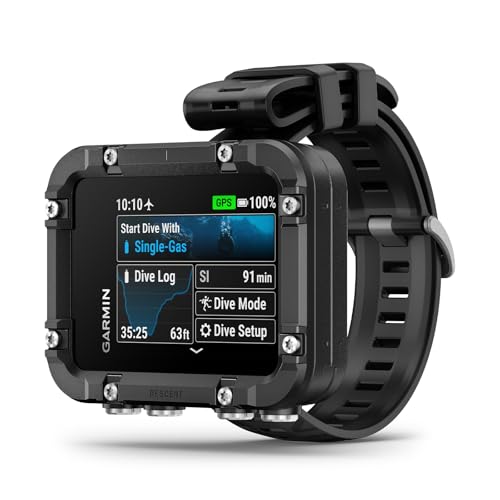
- 1TOP CHOICEBest overallGarmin Descent X30, Rugged Dive Computer with Surface GPSView on Amazon
- 2
 TOP CHOICEBest for wireless gas monitoringAqualung Dive Computer TransmitterView on Amazon
- 3
 TOP CHOICEBest for wrist-mounted simplicitySCUBAPRO G2 Wrist Diving Computer with TransmitterView on Amazon
- 4
 Best for multisport trackingMares Quad Ci Wrist Dive Computer (Black/Silver)View on Amazon
- 5
 Best for air-integrated budget-minded diversSCUBAPRO Galileo 2 Wrist Diving ComputerView on Amazon
Our Top Picks
| Product | Best for | Key feature |
|---|---|---|
| Garmin Descent X30 | Reef divers wanting a large display | 2.4-inch color screen |
| Aqualung Dive Computer Transmitter | Wireless gas monitoring | Nitrox-compatible transmitter |
| SCUBAPRO G2 | Wrist-mounted simplicity | Wireless air integration option |
| Mares Quad Ci | Multisport tracking | Multiple dive modes |
| SCUBAPRO Galileo 2 | Air-integrated dive logging | Wrist-mounted dive computer |
Garmin Descent X30, Rugged Dive Computer with Surface GPS
Garmin Descent™ X30, Rugged Dive Computer with Surface GPS | Vibrant 2.4" Color Display, Mutliple Dive Profiles, 10 ATM Dive-Rated, Mark Entry & Exit Points, Up to 30 Hours Battery Life
Best for: Reef divers who want a large, easy-to-read display and GPS-based entry and exit logging.
This suits divers who also use their watch for surface activities and want clear data at a glance underwater. Manufacturers specify a 10 ATM dive rating and up to 30 hours of battery life.
Pros
- Vibrant 2.4-inch color display
- Marks dive entry and exit points with surface GPS
Cons
- Larger case may feel bulky under a thin wetsuit sleeve
Aqualung Dive Computer Transmitter
Aqualung Dive Computer Transmitter – Rugged Wireless Hoseless Gas Pressure Accessory for i450T, i470TC, i750TC & i770R – Nitrox Compatible Scuba Diving Equipment
Best for: Divers who want wireless tank pressure data on a compatible Aqualung computer without a hose.
This is a transmitter accessory rather than a standalone computer, so it fits divers already using a compatible Aqualung model. Listings describe it as rugged and nitrox compatible.
Pros
- Wireless gas pressure data without a high-pressure hose
- Works with several compatible Aqualung models
Cons
- Requires a compatible computer to function
SCUBAPRO G2 Wrist Diving Computer with Transmitter
SCUBAPRO G2 Wrist Diving Computer with Transmitter
Best for: Divers who want a wrist-worn computer with optional wireless air integration.
This suits recreational divers who prefer a familiar wrist layout and want air data without running a hose to the console.
Pros
- Wrist layout is straightforward to read
- Transmitter enables wireless air integration
Cons
- Transmitter adds an extra battery to maintain
Mares Quad Ci Wrist Dive Computer (Black/Silver)
Mares Quad Ci Wrist Dive Computer (Black/Silver) – Activity Tracking Watch w/Multiple Dive Modes
Best for: Divers who want activity tracking alongside multiple dive modes in one wrist unit.
This fits people who split time between diving and daily fitness and want one watch that handles both.
Pros
- Multiple dive modes in one wrist unit
- Activity tracking for non-dive days
Cons
- Feature set may be more than a reef-only diver needs
SCUBAPRO Galileo 2 Wrist Diving Computer
SCUBAPRO Galileo 2 Wrist Diving Computer
Best for: Divers who want a straightforward wrist computer for air-integrated logging on recreational dives.
This suits divers who value a simple, dependable wrist unit and do not need advanced technical modes. If you want more background, see 5 Best Dive Computer Watches for Reef Divers (2026).
Pros
- Simple wrist layout suited to recreational diving
- Pairs with the SCUBAPRO ecosystem
Cons
- Older design than some newer models on the market
Buying Guide
Wireless vs. Wrist Integration
Wireless gas integration uses a transmitter on the first stage to send pressure data to the computer. Wrist models with optional transmitters offer the same benefit with a different layout.
Display Size and Readability
Larger, higher-contrast displays are easier to read at depth and in low light. Check the stated display size against how well you see small text underwater.
Battery Life and Charging
Manufacturers list battery life in hours of use. Divers making several dives per day should plan for charging between trips.
Dive Modes and Logging
Recreational reef divers mainly need air, nitrox, and no-decompression modes. Extra modes are useful only if you plan to dive deeper or more technically.
Good picks for this: Garmin Descent X30 and Aqualung Dive Computer Transmitter
FAQ
Do hoseless dive computers need a separate transmitter?
Some do, while others integrate air pressure directly. Check the product listing to confirm whether a transmitter is included or sold separately.
Is a wrist computer better than a console model?
Neither is better in all cases. Wrist units suit divers who want a simple layout, while console models often show more data at once.
Related reading
- Which Is the Best Dive Computer for Technical Diving? 5 Factors to Check
- Top 6 Oceanic Pro Plus 4 Dive Computer Options for Reef Divers
- Top 3 Apeks DSX Dive Computer Options Compared for Reef Divers
- Suunto Dive Computer Price: 3 Best Models for Reef Divers (2026)
- Shearwater Dive Computer Sale: 4 Best Models for Reef Divers (2026)
- Oceanic Pro Plus X Dive Computer with QD Hose: 7 Best Options Compared
About Miles Sinclair
Miles Sinclair is part of our editorial team and reviews and edits our scuba diving gear guides, checking product details against manufacturer specifications and owner feedback.
About the author
Miles Sinclair writes reviews and buying guides for Scuba Lanai.