6 Best 3mm or 5mm Wetsuit Boots for Warm and Cool Water Dives (2026)
Choosing 3mm or 5mm wetsuit boots depends on your water temperature and dive style. Compare six picks by warmth, fit and sole grip before you buy.
 By Miles Sinclair
Updated November 24, 2026
 By Miles Sinclair
Updated November 2026
Choosing between 3mm or 5mm wetsuit boots comes down to water temperature, how long you stay in, and how much foot protection you need on rocky entries. This list compares six pairs by thickness, sole design, fit style and the feedback owners commonly report. The criteria: neoprene thickness for the water you dive, a puncture-resistant and grippy sole, a secure closure, and a fit that does not trap cold water at the heel.
Our top picks at a glance
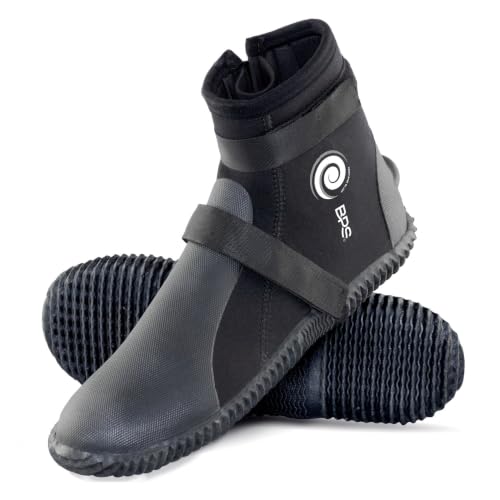
- 1TOP CHOICEBest overallBPS 3mm Neoprene Dive Boots (Size 6)View on Amazon
- 2
 TOP CHOICEBest for thick water and cold divesNeo Sport Premium Neoprene Wetsuit BootsView on Amazon
- 3
 TOP CHOICEBest for side-zip entryXUKER Neoprene Diving Boots 5mm 3mmView on Amazon
- 4Best for warm-water snorkelingBPS 3mm Neoprene Diving Boots (Size 7)View on Amazon
- 5
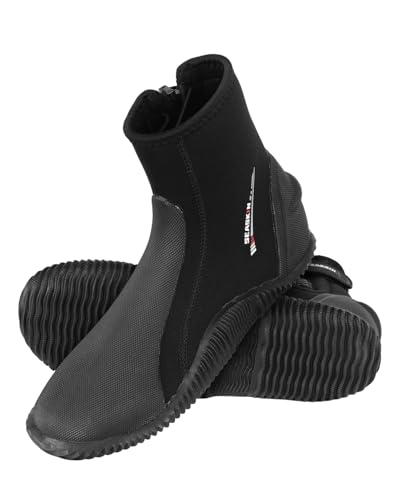 Best for cold-water shore divesSeaskin 5mm Neoprene Diving BootsView on Amazon
- 6
 Best for budget-minded diversSkyone Neoprene Dive Boots Men Women 3MMView on Amazon
Our Top Picks
| Product | Best for | Key feature |
|---|---|---|
| BPS 3mm Neoprene Dive Boots (Size 6) | Warm-water overall use | Rubberized anti-slip sole |
| Neo Sport Premium Neoprene Wetsuit Boots | Thick water and cold dives | Puncture-resistant sole, multiple thicknesses |
| XUKER Neoprene Diving Boots 5mm 3mm | Easy side-zip entry | Side zipper closure |
| BPS 3mm Neoprene Diving Boots (Size 7) | Warm-water snorkeling | Slip-on design |
| Seaskin 5mm Neoprene Diving Boots | Cold-water shore dives | 5mm insulation, anti-slip sole |
| Skyone Neoprene Dive Boots Men Women 3MM | Budget-minded divers | Durable premium rubber sole |
BPS 3mm Neoprene Dive Boots (Size 6)
BPS 3mm Neoprene Dive Boots – Wet Suit Boots with Rubberized Anti-Slip Sole for Watersports Snorkeling Scuba Diving Wakeboarding Kayaking Canoeing – Slip on-and-Off Design (Size 6)
Best for: Warm-water overall use
This is a practical choice for divers in water roughly in the upper 70s°F, where a 3mm boot is usually sufficient for foot comfort and protection.
Pros
- Rubberized anti-slip sole for wet rock and boat decks
- Slip-on design is quick to put on
Cons
- Thin neoprene offers limited warmth in cooler water
Neo Sport Premium Neoprene Wetsuit Boots
Neo Sport Premium Neoprene Men & Women Wetsuit Boots, Shoes with puncture resistant sole 3mm, 5mm & 7mm for warm, moderate or cold water for watersports: beach, boat, lake, mud, kayak and more! Sizes
Best for: Thick water and cold dives
Listed in several thicknesses, this style suits divers who want one boot family across warm and cooler seasons.
Pros
- Puncture-resistant sole for rough entries
- Multiple thickness options listed by the maker
Cons
- Sizing can run snug, so check the chart carefully
XUKER Neoprene Diving Boots 5mm 3mm
XUKER Neoprene Diving Boots, 5mm 3mm Water Shoes Men Women | Wetsuit Booties with Anti-Slip Rubber Sole Side Zipper
Best for: Easy side-zip entry
A good fit for divers who struggle pulling on tight neoprene and want a faster entry on the dock.
Pros
- Side zipper closure eases donning
- Anti-slip rubber sole
Cons
- Zipper needs rinsing to prevent salt buildup
BPS 3mm Neoprene Diving Boots (Size 7)
BPS 3mm Neoprene Diving Boots – Wetsuit Boots with Rubberized Antislip Sole for Watersports Snorkeling Scuba Diving Paddleboarding Kayaking Surfing Slip on-and-Off Design (Size 7)
Best for: Warm-water snorkeling
Suited to shallow reef snorkeling and short dives where protection matters more than insulation.
Pros
- Light and comfortable for long surface intervals
- Rubberized antislip sole
Cons
- Not warm enough for extended cool-water dives
Seaskin 5mm Neoprene Diving Boots
Seaskin 5mm Neoprene Diving Boots Anti-Slip Rubber Sole Wetsuit Boots
Best for: Cold-water shore dives
The 5mm thickness suits cooler water and longer exposure, especially on rocky shore entries.
Pros
- 5mm neoprene for added insulation
- Anti-slip rubber sole
Cons
- Thicker neoprene takes longer to dry
Skyone Neoprene Dive Boots Men Women 3MM
Skyone Neoprene Dive Boots Men Women, 3MM Diving Scuba Shoes with Anti-Slip Premium Rubber Durable Sole, Wetsuit Boots Surf Booties for Beach Sailing Snorkeling Water Sports (3MM Black, Men 10 / Women
Best for: Budget-minded divers
A sensible option for occasional divers and snorkelers who want a basic 3mm boot for warm conditions.
Pros
- Durable premium rubber sole
- Unisex sizing for men and women
Cons
- Limited detail on closure design compared with premium boots
Buying Guide
Water temperature and thickness
As a rough guide, 3mm boots suit warm water, while 5mm boots suit cooler water or longer dives. Check your local water temperature before choosing. For more context, see 3mm vs 5mm Wetsuit (2026): Which Is Better for Reef Diving?.
FAQ
Should I choose 3mm or 5mm wetsuit boots?
Choose 3mm boots for warmer water and shorter sessions, where flexibility and quick drying matter most. Pick 5mm boots for cooler water or longer time in the water, since the thicker neoprene holds in more warmth. Many paddlers and divers keep both on hand for seasonal changes.
Do wetsuit boots need to fit snugly?
Yes, a snug fit keeps water from flushing in and out, which helps your feet stay warmer. The boots should feel firm around the ankle and heel without cutting off circulation. Try them on with the socks or liner you plan to wear if possible.
Why does the sole matter on wetsuit boots?
The sole protects your feet from sharp rocks, shells, and debris when you enter or exit the water. A rubberized anti-slip sole also gives better grip on wet decks, slippery rocks, and boat ladders. Look for a sole that is thick enough to resist punctures without making the boot too stiff.
Are side-zip boots easier to put on than slip-on boots?
Side-zip designs often make entry and removal quicker, especially if you have trouble stretching a boot over your heel. Slip-on styles tend to be simpler and may seal more evenly around the ankle. Your choice depends on how much you value speed versus a streamlined fit.
Can I use wetsuit boots for activities other than diving?
Yes, these boots are commonly used for snorkeling, kayaking, paddleboarding, surfing, and general watersports. Their rubber soles and neoprene uppers work well on beaches, boats, and rocky shorelines. Just rinse them with fresh water after use to extend their life.
How should I care for neoprene boots?
Rinse them with fresh water after every session to remove salt and sand, then let them air dry away from direct sun and heat. Avoid folding them tightly while wet, since that can cause creasing. Storing them loosely in a cool, dry place helps the neoprene keep its shape and flexibility.
Conclusion
If you mostly dive or paddle in warm water, or want a lighter boot for shorter sessions, a 3mm pair from the list is the practical choice, with the BPS 3mm Size 6 as a solid all-round starting point. If you spend longer periods in cooler water or want more insulation, step up to a 5mm pair such as the Seaskin or XUKER options, and choose a side-zip design if getting your boots on quickly matters to you. We also found 3mm vs 5mm Wetsuit Scuba (2026): Which Is Better for Your Dives? useful on this point.
Match the thickness to your typical water temperature, confirm your foot size carefully, and prioritize a grippy, puncture-resistant sole for rocky entries. With the right pair, your feet stay protected and comfortable through every session.
Related reading
- 3mm vs 5mm Wetsuit Triathlon: Which Should You Choose?
- 3mm vs 5mm Wetsuit (2026): Should I Get a 3mm or 5mm Wetsuit?
About Miles Sinclair
Miles Sinclair is part of our editorial team and reviews and edits our scuba diving gear guides, checking product details against manufacturer specifications and owner feedback.
About the author
Miles Sinclair writes reviews and buying guides for Scuba Lanai.