3 Best Henderson 3mm Thermoprene Wetsuits for Warm-Water Diving (2026)
Comparing three henderson 3mm thermoprene wetsuit options for warm-water reef and shore diving. Fit, zip style, sizing and what owners report before you buy.
 By Miles Sinclair
Updated November 8, 2026
 By Miles Sinclair
Updated November 2026
Choosing a henderson 3mm thermoprene wetsuit comes down to three things: whether the cut matches your body and dive style, how well the 3mm Thermoprene neoprene holds warmth in the water temperatures you actually dive, and whether the sizing and zip layout will be comfortable over a full dive day. The picks below were selected by reviewing manufacturer specifications, brand reputation, and the patterns that appear most often in owner feedback. None of them were tested by us in the water.
Our top picks at a glance
- 1TOP CHOICEBest overallHenderson Men's 3mm Thermoprene Pro Front Zip Shorty Wetsuit, Black/Blue, XLView on Amazon
- 2
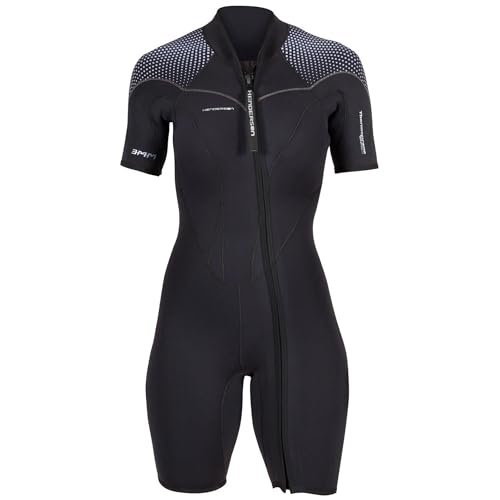 Best for women who want a shorty cutHenderson Women's 3mm Thermoprene Pro Front Zip Shorty Wetsuit, Black/Purple, 8View on Amazon
- 3
 Best budget pick for full-length coverageHenderson Man Thermoprene John 3mm Scuba Wetsuit-LargeView on Amazon
Our Top Picks
Quick Comparison
| Product | Best for | Key feature |
|---|---|---|
| Henderson Men’s 3mm Thermoprene Pro Front Zip Shorty Wetsuit | Men who want a shorty for reef dives | Front zip entry and short-leg cut |
| Henderson Women’s 3mm Thermoprene Pro Front Zip Shorty Wetsuit | Women who want a shorty cut for warm water | Front zip entry and women’s pattern |
| Henderson Man Thermoprene John 3mm Scuba Wetsuit | Divers who want full-length coverage | Full-length John-style body coverage |
Henderson Men’s 3mm Thermoprene Pro Front Zip Shorty Wetsuit, Black/Blue, XL
Henderson Men's 3mm Thermoprene Pro Front Zip Shorty Wetsuit, Black/Blue, XL
Best for: Men who want a shorty for warm-water reef and shore diving
This is the model most suited to divers who spend their time in tropical water and want freedom of movement over maximum insulation. The front zip makes it easier to get in and out without a partner, and the shorty length keeps the legs cool when the water is warm.
Key specs
- 3mm Thermoprene neoprene
- Front zip closure
- Shorty (short-leg) cut
- Black/Blue colorway, size XL
Pros
- Front zip is easier to don and doff alone than back-zip designs
- Shorty cut limits overheating in warm water
- Thermoprene is a flexible, widely used neoprene for recreational wetsuits
Cons
- Shorty length offers less protection from stings and scrapes on the legs
- Owners with a long torso may need to size up to get a comfortable fit
Bottom line: A strong pick for men diving warm reefs who value easy entry and comfort over full-leg protection.
View on AmazonHenderson Women’s 3mm Thermoprene Pro Front Zip Shorty Wetsuit, Black/Purple, 8
Henderson Women's 3mm Thermoprene Pro Front Zip Shorty Wetsuit, Black/Purple, 8
Best for: Women who want a shorty cut for warm-water diving
This women’s version uses the same front-zip, shorty-leg concept as the men’s model, with a cut designed around a female body shape. It suits divers who want a lighter feel and quick entry in tropical conditions.
Key specs
- 3mm Thermoprene neoprene
- Front zip closure
- Shorty (short-leg) cut
- Black/Purple colorway, size 8
Pros
- Women’s pattern is designed around a different torso and hip shape
- Front zip simplifies getting in and out of the suit
- Shorty length keeps the legs cool in warm water
Cons
- Less leg coverage than full-length suits for sun and sting protection
- Sizing runs by women’s scale, so checking the size chart against your measurements is important
Bottom line: The right choice for women diving warm water who want a flexible, easy-entry suit with a shorty cut.
View on AmazonHenderson Man Thermoprene John 3mm Scuba Wetsuit-Large
Henderson Man Thermoprene John 3mm Scuba Wetsuit-Large
Best for: Divers who want full-length coverage on a budget
A John-style suit covers the torso and legs fully and is often chosen by divers who want extra protection from sun, stings, and abrasion. It is a practical option for longer shore dives and for divers in water that runs slightly cooler than the tropical norm.
Key specs
- 3mm Thermoprene neoprene
- John-style full-length bib-and-brace cut
- Size Large
Pros
- Full-length legs add sun and sting protection
- Bib-and-brace design can feel secure and reduce water flow
- Generally considered a budget-friendly option within the Henderson range
Cons
- Full-length cut can feel warm in tropical water and during surface intervals
- Bib-and-brace style takes more effort to put on and remove than a zip-up shorty
Bottom line: A good fit for divers who prioritize full coverage and a lower-cost option over quick entry.
View on AmazonBuying Guide
Shorty versus full-length cut
A shorty stops at mid-thigh and mid-forearm, which keeps you cooler in warm water. A full-length suit covers the legs and arms and adds protection from sun, coral scrapes, and stinging organisms. In water above roughly 26°C (79°F), many divers prefer a shorty; below that, or on shore dives with long surface swims, full length often feels better.
Good picks for this: Henderson Men’s 3mm Thermoprene Pro Front Zip Shorty Wetsuit, Henderson Man Thermoprene John 3mm Scuba Wetsuit
Entry style: front zip versus back zip
Front-zip suits are generally easier to put on alone because you can reach the closure without a buddy. Back-zip and bib-and-brace designs can offer a snugger seal but usually require help or more flexibility. Consider whether you dive solo or with a partner who can assist.
Good picks for this: Henderson Women’s 3mm Thermoprene Pro Front Zip Shorty Wetsuit, Henderson Men’s 3mm Thermoprene Pro Front Zip Shorty Wetsuit
Fit and sizing
Wetsuits should feel snug everywhere without restricting breathing. Measure chest, waist, hips, and inseam, then compare against the manufacturer’s chart rather than your street size. Expect a wetsuit to feel tighter when dry; it loosens slightly once wet. If you fall between sizes, owners often report that the smaller size suits lean divers and the larger suits those with a longer torso.
Good picks for this: Henderson Men’s 3mm Thermoprene Pro Front Zip Shorty Wetsuit, Henderson Women’s 3mm Thermoprene Pro Front Zip Shorty Wetsuit
Water temperature and thickness
A 3mm suit is well suited to warm tropical water, typically in the high 20s °C (around 80°F) and above, and it is a common choice for reef diving in the Hawaiian islands and Caribbean. Colder water or longer dives call for thicker neoprene or a hood. Learn more about thickness choices in our water temperature guide before committing to a thickness for your region.
Good picks for this: Henderson Man Thermoprene John 3mm Scuba Wetsuit, Henderson Men’s 3mm Thermoprene Pro Front Zip Shorty Wetsuit
Use case: reef, shore, and surface swimming
Reef diving with frequent kneeling and contact favors a suit that protects the knees and legs. Shore dives with long walks over rock or sand benefit from full-length coverage. Snorkeling and surface-focused days favor lighter, more flexible shorties that dry faster.
Good picks for this: Henderson Man Thermoprene John 3mm Scuba Wetsuit, Henderson Women’s 3mm Thermoprene Pro Front Zip Shorty Wetsuit
Durability and seams
Neoprene wears through contact with rock, coral, and sun exposure. Check that seams are sealed or stitched neatly, and rinse the suit in fresh water after every dive. Avoid hanging wetsuits in direct sunlight, which degrades neoprene over time. Manufacturers generally recommend storing suits flat or on a wide hanger.
Good picks for this: Henderson Man Thermoprene John 3mm Scuba Wetsuit, Henderson Men’s 3mm Thermoprene Pro Front Zip Shorty Wetsuit
Care and maintenance
Rinse with fresh water after each dive, soak occasionally in a mild wetsuit cleaner, and dry in shade on a hanger. Never use fabric softener, and avoid folding the suit sharply at the knees and elbows. Proper care extends the life of Thermoprene and keeps it flexible.
Good picks for this: Henderson Women’s 3mm Thermoprene Pro Front Zip Shorty Wetsuit, Henderson Man Thermoprene John 3mm Scuba Wetsuit
FAQ
What is Thermoprene and how does it compare to other neoprene?
Thermoprene is a neoprene-based material used in many recreational wetsuits. It is generally described as flexible and comfortable, though specific insulation performance depends on thickness, cell structure, and fit. Compare the thickness rating first, since that matters more than the material name alone.
Is a 3mm wetsuit warm enough for tropical diving?
For most tropical water, a 3mm suit is a common and comfortable choice, especially as a shorty. Warmth also depends on how long you stay in the water and whether you feel the cold easily. Our guide Is a 3mm Wetsuit Warm Enough? Water Temps, Tips and Gear Guide covers temperature ranges in more detail.
Should I choose a shorty or full-length suit?
Choose a shorty for warm water and easy movement, and full length for sun protection, sting protection, or cooler conditions. Many divers own both. For a detailed comparison of shorty options, see 9 Best Long Sleeve Shorty Wetsuit 3mm Options for Reef and Shore Diving.
How do I know what size to order?
Take body measurements and compare them to the manufacturer’s size chart. Wetsuits should feel snug when dry and become slightly looser once wet. If you are between sizes, consider your torso length and how much flexibility you need, and consult the brand’s sizing guidance.
Can I use a 3mm wetsuit for snorkeling?
Yes. A 3mm suit is often used for snorkeling in warm water, where it provides some protection from the sun and minor abrasions. For a focused look at snorkeling options, see 8 Best 3mm Wetsuits for Snorkeling for Tropical Reefs (2026).
How should I care for a Thermoprene wetsuit?
Rinse in fresh water after every dive, dry in shade on a wide hanger, and avoid direct sun, fabric softener, and sharp folds. Store the suit in a cool, dry place. Following these steps helps preserve flexibility and fit over the life of the suit.
Are budget wetsuits a good choice for beginners?
A budget-friendly suit can be a sensible starting point, especially for divers who are still learning their preferences for cut and thickness. Focus on fit and comfort first, because a poorly fitting suit causes more problems than a lower-tier material. If you have health concerns or questions about diving suitability, consult a qualified dive professional or physician.
Conclusion
For most warm-water divers looking at a henderson 3mm thermoprene wetsuit, the men’s and women’s front-zip shorties offer the easiest entry and the most freedom of movement on reef dives. The John-style full-length suit suits divers who want maximum coverage and a lower-cost option for shore dives or cooler conditions. Match the cut to your water temperature, dive style, and whether you dive alone, and check the size chart before you order.
Sources
- Ocean and water temperature data for planning thermal protection by region (noaa.gov)
- Guidance on marine environments, coral protection and responsible contact in reef areas (nps.gov)
- Product safety information and general guidance on consumer product safety (cpsc.gov)
Related reading
- Henderson Thermaxx 3mm Wetsuit: 5 Best Picks Compared (2026)
- Scubapro 3mm Mens Wetsuit: 4 Best Picks Compared for Reef Diving
- Scuba Diving Wetsuit 3mm: How to Choose the Right Fit and Warmth for Reef Dives
About Miles Sinclair
Miles Sinclair is part of our editorial team and reviews and edits our scuba diving gear guides, checking product details against manufacturer specifications and owner feedback.
About the author
Miles Sinclair writes reviews and buying guides for Scuba Lanai.